
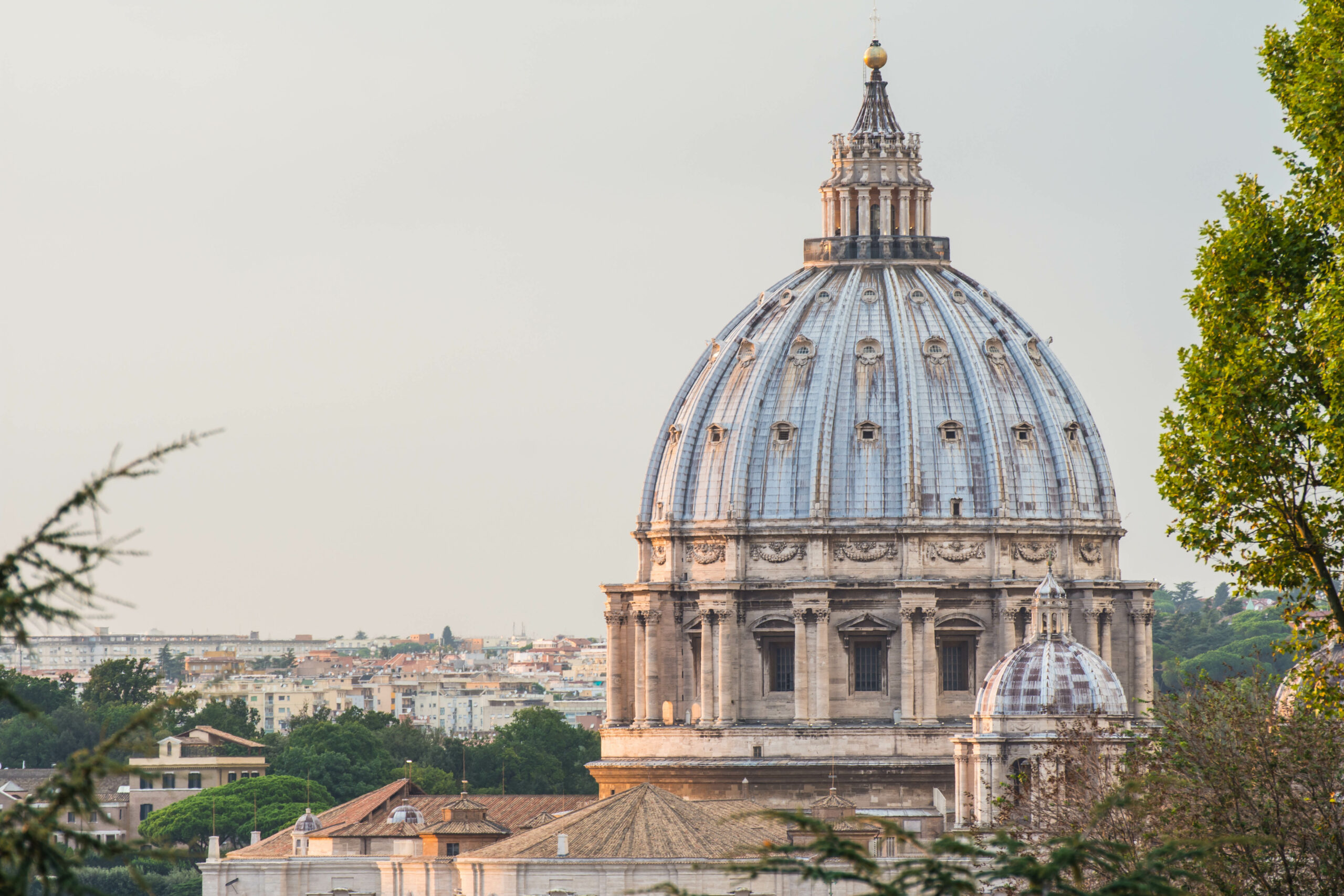
The Vision Behind the Dome
En Dome of St. Peter’s Basilica en Roma stands as one of the greatest achievements of Arquitectura renacentista. Commissioned during the 16th century, the project aimed to symbolize the power and spiritual authority of the Catholic Church. The genius behind its design was Miguel Ángel, who reimagined earlier plans and gave the dome its monumental and harmonious form. His vision combined engineering innovation, artistic balance, and profound religious symbolism.
Architectural Design and Structure
Inspired partly by the dome of Panteón and the cathedral of Santa Maria del Fiore in Florence, the dome features a striking double-shell structure. This innovative system ensures both stability and lightness. The dome rises to approximately 136 meters (446 feet), making it one of the tallest in the world. Its elegant ribs and lantern create a powerful upward movement, guiding the eye — and the spirit — toward the heavens. The combination of geometry, symmetryy structural mastery makes it a timeless architectural icon.
Construction Challenges and Completion
Although Miguel Ángel designed the dome, he did not live to see its completion. After his death, architects such as Giacomo della Porta y Domenico Fontana oversaw its final construction, completing it in 1590. Building such a massive structure presented enormous engineering challenges, especially in terms of weight distribution and stability. Advanced techniques and careful planning were essential to ensure the dome would endure for centuries.
Interior Beauty and Spiritual Meaning
Inside Basílica de San Pedro, the dome is richly decorated with dazzling mosaics. At its base is the famous inscription: “Tu es Petrus, et super hanc petram aedificabo ecclesiam meam” (“You are Peter, and on this rock I will build my Church”). This inscription emphasizes the basilica’s connection to San Pedro, considered the first Pope. The interior decoration enhances the sense of grandeur, fey presencia divina, creating an overwhelming spiritual experience for visitors.
A Lasting Symbol of Art and Faith
Today, the dome remains a defining feature of the skyline of Roma and a universal symbol of Cristianismo y artistic excellence. Visitors can climb to the top for breathtaking views of Ciudad del Vaticano and the surrounding city. More than just an architectural achievement, the dome of Basílica de San Pedro represents the fusion of arte, sciencey fe that defined the Renaissance period and continues to inspire millions around the world.
Frequently Asked Questions About the Dome of Basílica de San Pedro
1. Who designed the Dome of St. Peter’s Basilica?
La cúpula fue diseñada por Miguel Ángel in the mid-16th century. Although he did not see it completed, his innovative Diseño renacentista shaped the final structure we admire today.
2. How tall is the dome?
The dome reaches approximately 136 meters (446 feet) from the floor to the top of the cross, making it one of the tallest domes in the world.
3. Can visitors climb to the top of the dome?
Yes, visitors can climb to the top for a breathtaking panoramic view of Ciudad del Vaticano y Roma. The climb includes stairs and narrow passages, but the view is considered well worth the effort.
4. What inspired the design of the dome?
The design was inspired by classical and Renaissance models, particularly the Panteón in Rome and the Cathedral of Santa Maria del Fiore in Florence.
5. Why is the dome so important?
The dome is a powerful symbol of Fe cristiana, architectural innovation, and the artistic achievements of the Renaissance. It represents both the spiritual authority and the cultural influence of the Catholic Church.


