
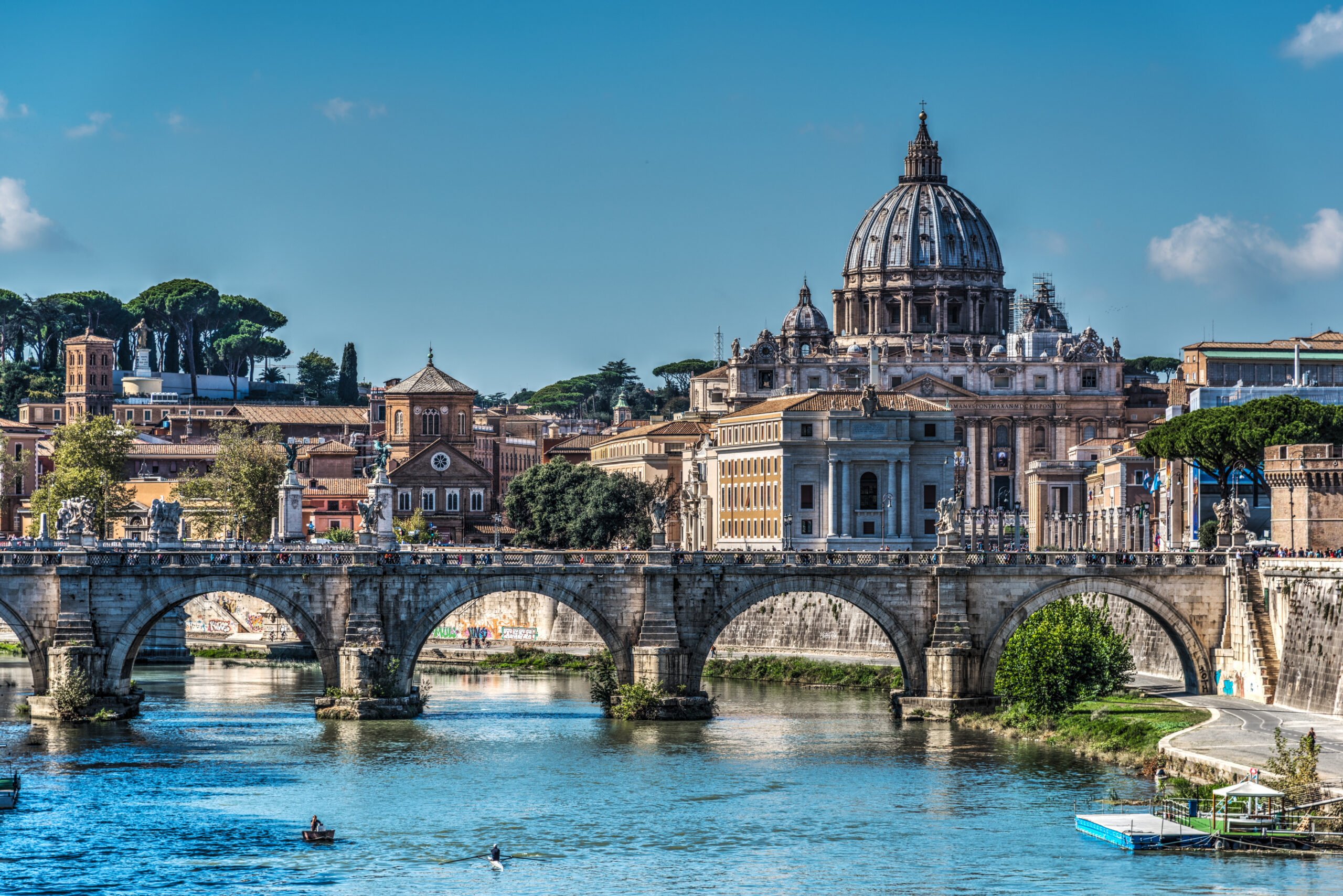
Rome, the eternal city, is a place where history, art, and mysticism collide. Every corner holds a secret, every street whispers tales of centuries past. From the grandeur of the Colosseum to the quiet charm of hidden squares, there is much more to Rome than meets the eye. Beneath the surface of its ancient ruins and Renaissance palaces, the city holds countless mysteries that continue to fascinate visitors and locals alike. Why was the Pantheon built with such precision? What hidden treasures lie beneath the Vatican? These are just some of the questions that make Rome a city of intrigue and fascination.
One of the most captivating aspects of Rome is its enigmatic history, which spans over two millennia. The city’s ancient foundations are steeped in myth, legend, and, at times, unexplained phenomena. The famous Catacombs, buried beneath the city, were once the secret meeting places of early Christians, and tales of hidden treasures, secret societies, and ancient rituals add an air of mystery to this majestic city. If you’re ready to dive deeper into the unknown and explore Rome’s secret corners, continue reading – you’ll uncover more than you ever imagined.
Rome’s Hidden Mysteries: Secrets Beneath the Surface
Rome is not only a city of historical landmarks but a place where the mysteries of the past are still very much alive. Beneath the bustling streets and crowded piazzas, hidden chambers and forgotten sites reveal stories that date back thousands of years. From underground tombs to cryptic carvings, Rome’s mysteries are waiting to be uncovered by those who are willing to look beyond the surface.
One such mystery is the Pantheon, a remarkable structure that has survived centuries of transformation. The building’s perfect alignment with the heavens and the extraordinary engineering behind its dome have led many to believe that it holds secrets that were intentionally hidden by its Roman creators. The Pantheon’s oculus, for instance, has been interpreted as a symbol of the divine, allowing a direct connection between the gods and the Earth. But what does this truly represent? And why did the Romans go to such lengths to create such an awe-inspiring structure?
Another fascinating mystery lies beneath the streets of Rome in the Vatican Necropolis. Located deep beneath St. Peter’s Basilica, this ancient burial site is said to be the final resting place of St. Peter, one of Jesus’ apostles. For centuries, this site remained hidden, accessible only to those with specific permission. The Vatican Necropolis contains tombs, murals, and relics that have raised questions about early Christianity, ancient rituals, and the true origins of one of the world’s largest religions.
Rome’s Crypts and Catacombs: A Glimpse into the City’s Hidden Past
One of Rome’s most captivating mysteries is its vast network of crypts and catacombs, which stretch out beneath the city like an underground labyrinth. The Catacombs of San Callisto, for instance, are home to the remains of early Christian martyrs and popes, and their labyrinthine passages are a testament to Rome’s hidden Christian history. These sacred burial sites were built during times of persecution, when Christians were forced to worship in secret and bury their dead away from prying eyes.
The Catacombs of San Sebastiano are another important site. Situated along the Appian Way, one of Rome’s ancient roads, these catacombs were a place of refuge and burial for early Christians. Today, they still hold secrets, with many believing that more undiscovered chambers are waiting to be uncovered. Visitors who venture into these eerie catacombs often report an overwhelming sense of connection to the past and the souls that once rested there.
In addition to these well-known sites, Rome is home to countless other hidden tombs and crypts that have yet to be fully explored. Some are believed to hold the remains of ancient Roman emperors, while others are thought to be places of ritualistic significance. As archeologists continue to dig deeper into the city’s underground realms, more mysteries are sure to be uncovered, revealing the long-forgotten stories of Rome’s past.
The Secret Societies of Rome: Unraveling the City’s Esoteric History
Rome is not only a city of ancient ruins and sacred sites; it is also a city steeped in mystical traditions and secret societies. Throughout its history, various groups have thrived in the shadows of the city, leaving behind cryptic symbols, hidden messages, and intriguing legends. One of the most famous of these secret societies is the Freemasons, whose presence in Rome dates back centuries. While their exact influence on the city’s development remains a mystery, the Freemasons are believed to have left their mark on several key sites, including some of the most important churches and monuments in the city.
Another enigma is the Rosicrucians, a mystical group with ties to alchemy, occult knowledge, and theosophy. Some historians believe that the Rosicrucians were instrumental in the design of certain Roman churches and public spaces, embedding secret symbols and esoteric teachings into the architecture itself. Visitors to these sites may unknowingly walk over hidden symbols that hint at the city’s mystical past.
Beyond these well-known societies, many scholars speculate that ancient Roman rituals and mysteries continue to influence the modern city. The Mithraic Mysteries, for example, were secretive rites dedicated to the god Mithras, which were practiced in underground temples throughout Rome. The remains of these temples can still be seen today, but much of the meaning and significance behind the rituals remains lost to time.
Conclusion: Unveiling Rome’s Mysteries
Rome is a city that never ceases to amaze. From its ancient ruins to its secret catacombs, hidden tombs, and mysterious societies, there is always something new to discover in this eternal city. The mysteries of Rome are not just a part of its past; they are woven into its very fabric, continuing to intrigue and inspire those who seek to understand its true nature.
Whether you’re exploring the Pantheon’s oculus, wandering through the eerie catacombs, or uncovering the secrets of Rome’s secret societies, there’s always more to learn. The city’s mysteries are waiting to be revealed, one secret at a time. If you’re curious enough to look deeper, you’ll find that Rome’s true magic lies not just in its famous monuments, but in the hidden stories that shape its legendary past.
FAQs
-
What is the significance of the Pantheon in Rome’s history? The Pantheon is an architectural marvel known for its massive dome and oculus. It was originally built as a temple to all the gods, and today it remains a symbol of ancient Roman engineering.
-
Where can I visit the catacombs in Rome? The Catacombs of San Callisto and the Catacombs of San Sebastiano are two of the most famous and accessible catacombs in Rome, offering a glimpse into early Christian burial practices.
-
What are the secret societies in Rome? Secret societies such as the Freemasons and Rosicrucians have had a historical presence in Rome, influencing the design of monuments and churches with hidden symbols and cryptic messages.
-
Can I explore the Vatican Necropolis? Yes, but it requires a special tour arranged through the Vatican. The Necropolis lies beneath St. Peter’s Basilica and is believed to be the burial place of St. Peter.
-
What mysteries are still being uncovered in Rome? Rome’s underground areas, including its catacombs, tombs, and hidden chambers, continue to reveal new discoveries that shed light on the city’s ancient rituals and forgotten history.


