
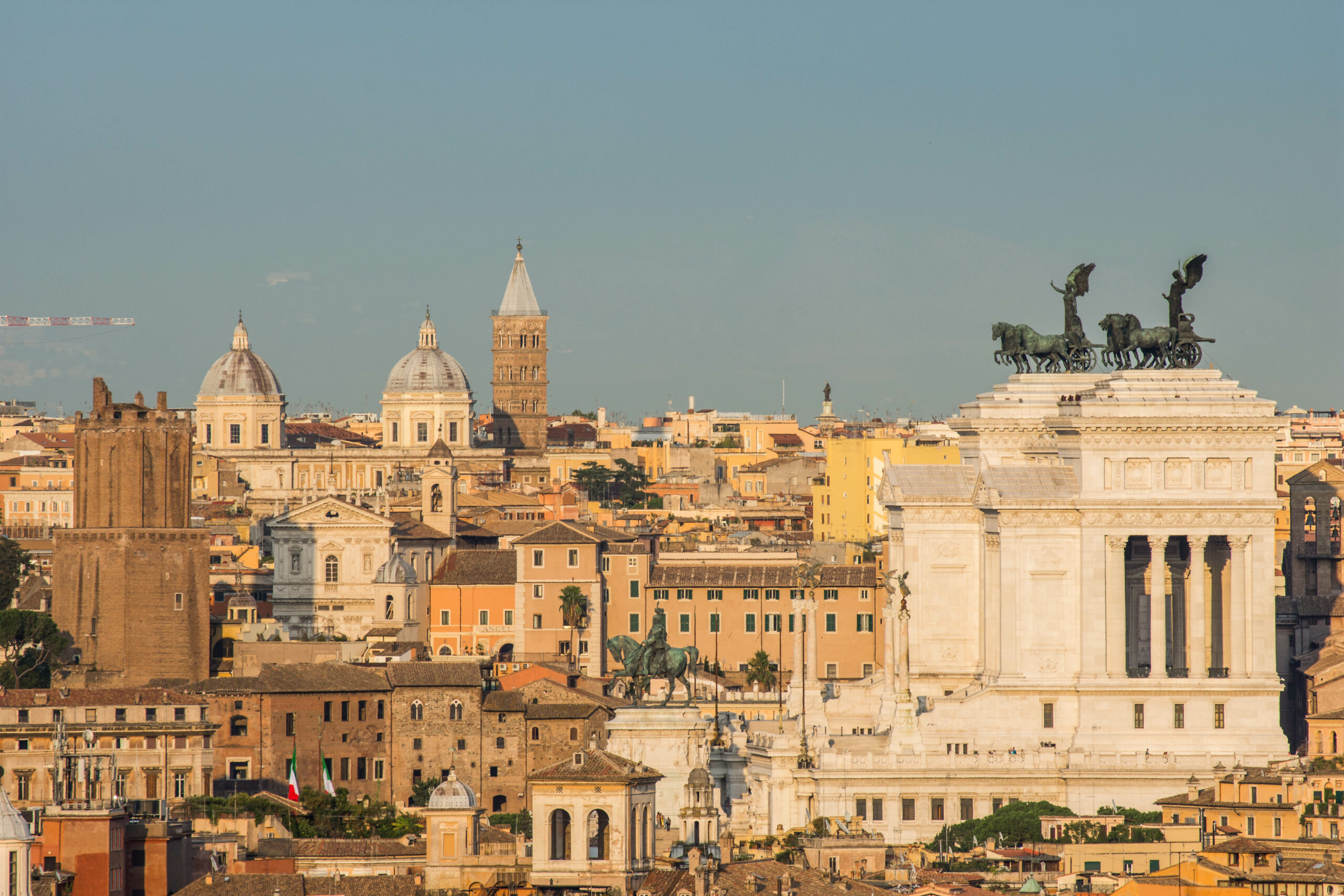
The Mysteries of Rome’s Art: A Journey Through Time
Rome, a city brimming with history, is often seen as a living museum—each street corner and ancient ruin telling a story of a bygone era. But beyond its famous monuments and iconic landmarks lies a more mysterious and enigmatic side to the Eternal City. What secrets lie hidden within its art? What stories do the paintings, sculptures, and architectural marvels whisper, waiting to be uncovered by those daring enough to look beneath the surface? As you stroll through the city, you’ll encounter hidden messages, forgotten symbols, and intricate designs that have puzzled historians, artists, and explorers for centuries.
Rome is not only a place of political power and religious significance; it is also a canvas of artistic expression where the old world meets the new in ways that still baffle and intrigue. In the winding streets and grand piazzas, every piece of art tells a story, but sometimes it’s a story unspoken or obscured by time. Could these mysteries be the key to understanding Rome’s true essence? To truly uncover the secrets of Rome’s artistic masterpieces, one must look past the obvious and dive into the cryptic, often surreal world of its artistic enigmas.
Continue reading to explore some of the most intriguing mysteries of art that lie in Rome’s ancient and modern masterpieces.
The Enigmatic Art of the Sistine Chapel: A Divine Puzzle
When we think of the Sistine Chapel, the first image that often comes to mind is Michelangelo’s iconic frescoes—the breathtaking scenes that adorn its ceiling, most notably, the Creation of Adam. However, these masterpieces, while world-renowned, also contain some intriguing secrets. Beyond the vibrant colors and the dramatic poses, art historians have long debated the hidden symbols embedded in the artwork. Could Michelangelo have left us a visual puzzle to decode, filled with secret codes and references to both religious beliefs and scientific discoveries of his time?
Some researchers have proposed that there is more to Michelangelo’s work than meets the eye. For instance, the positioning of Adam’s outstretched finger and the way it aligns with the image of God’s hand may symbolize not just the creation of man but also a deeper cosmological connection. Some suggest that the entire fresco could be a manifestation of the artist’s personal spiritual journey, reflecting both his doubts and his moments of enlightenment. And, in the intricate patterns and symbols scattered across the chapel, there are signs that suggest a link to ancient mystical traditions, like alchemy and Kabbalah.
Even the chapel’s architectural layout holds significance—some believe it mirrors the shape of the Temple of Solomon, hinting at deeper spiritual and historical connections. Was Michelangelo deliberately embedding these ideas into the fabric of the Sistine Chapel to convey a message to future generations, one that goes beyond mere religious teachings? It’s a question that continues to intrigue scholars, making the Sistine Chapel not just a religious symbol but also a repository of profound mysteries.
The Cryptic Symbols of St. Peter’s Basilica
St. Peter’s Basilica, the heart of Catholicism, is another site where mystery intertwines with art. The grandeur of the basilica is unquestionable, with its awe-inspiring architecture and venerated artwork. However, beneath the surface of its grandiosity, there lies a web of symbols and hidden meanings that have sparked speculation for centuries. Who were the secret societies that might have influenced the design of this monumental structure, and what secrets do these symbols hold?
The Pinecone sculpture located in the Piazza San Pietro is one of the most enigmatic elements of the basilica. While it has been traditionally associated with the ancient Roman cult of Cybele, there are those who believe it is connected to the mysteries of early Christianity, or even to the symbolism of the divine feminine. The obelisks that dot the piazza also carry their own secrets. In particular, the Vatican Obelisk has long been associated with both solar symbolism and the cult of Isis, suggesting that the Church was not just incorporating Christian symbols but was also influenced by pre-Christian iconography.
In the basilica’s interior, many of the statues and murals depict hidden messages that hint at a connection between the Church and ancient esoteric traditions. The design of the basilica itself follows a number of numerological principles, with the dimensions and proportions of its layout seemingly aligned with sacred geometry. These findings suggest that St. Peter’s Basilica could be more than just a place of worship—it might be an elaborate testament to the intersection of faith, mysticism, and power.
The Secrets Behind Rome’s Obscure Artwork: A Legacy of Hidden Messages
Beyond the grand cathedrals and churches, Rome’s streets are filled with lesser-known but equally mysterious works of art. In hidden corners of the city, you’ll find murals and sculptures whose origins and meanings are shrouded in mystery. Some of these pieces have been preserved in private collections, while others remain tucked away in forgotten alleys or beneath the floors of ancient buildings.
For example, the Fresco of the Four Seasons, located in the Palazzo Farnese, is a stunning representation of the changing times of the year, yet many believe that it holds a deeper significance. The symbolism within the fresco, with its carefully placed elements of nature and the changing colors, may represent not just the passage of time but the cycles of life and death. Scholars suggest that these symbolic representations align with the alchemy and astrology of the Renaissance period, making the fresco not just an artistic marvel but a hidden map of life’s mysteries.
Other works, like the The Vitruvian Man by Leonardo da Vinci, have sparked curiosity due to their complex geometry and scientific implications. Is the Vitruvian Man merely a reflection of ideal human proportions, or does it symbolize something much larger about the universe? The way these works integrate art, science, and symbolism continues to inspire deep reflection and debate.
Unveiling the Secrets of Rome’s Artistic Legacy
Rome’s artistic mysteries are vast and varied, each piece holding its own riddle that invites us to delve deeper into the past. From the hidden meanings in the Sistine Chapel’s frescoes to the symbolic architecture of St. Peter’s Basilica, the city’s art is far more than a visual feast—it is a tangible connection to our shared history and our ongoing search for meaning. As we explore these artistic enigmas, we uncover more than just symbols; we uncover our relationship with the divine, with nature, and with the very fabric of existence itself.
Rome: An Open Book of Mystical Art
Rome’s art is more than just a collection of beautiful works; it is a treasure trove of secrets, some of which are still waiting to be uncovered. The mysteries embedded in its art invite us to reflect on our history, our beliefs, and our connection to something greater. Whether through the symbolism of the Sistine Chapel, the cryptic messages of St. Peter’s Basilica, or the obscure artwork scattered around the city, Rome offers us a glimpse into a world where art, faith, and mysticism collide.
FAQs
What are the hidden messages in the Sistine Chapel?
The Sistine Chapel contains various hidden symbols, such as the alignment of Adam’s finger with God’s, which some believe reflects deeper cosmological meanings.
-
How do secret societies relate to St. Peter’s Basilica?
Some believe that St. Peter’s Basilica incorporates symbols from ancient secret societies, particularly those connected to solar worship and esoteric traditions.
-
What does the Pinecone sculpture symbolize in St. Peter’s Basilica?
The Pinecone is often associated with the Roman cult of Cybele, but some theories link it to the divine feminine or early Christianity.
-
Are there any other mysterious artworks in Rome?
Yes, lesser-known works like the Fresco of the Four Seasons and Vitruvian Man also contain complex symbolism and scientific principles that suggest deeper meanings.
-
Why is art in Rome considered a mystery?
Art in Rome is full of hidden symbols, connections to ancient traditions, and secret codes, which have prompted scholars to question the true purpose and meaning behind these masterpieces.


