
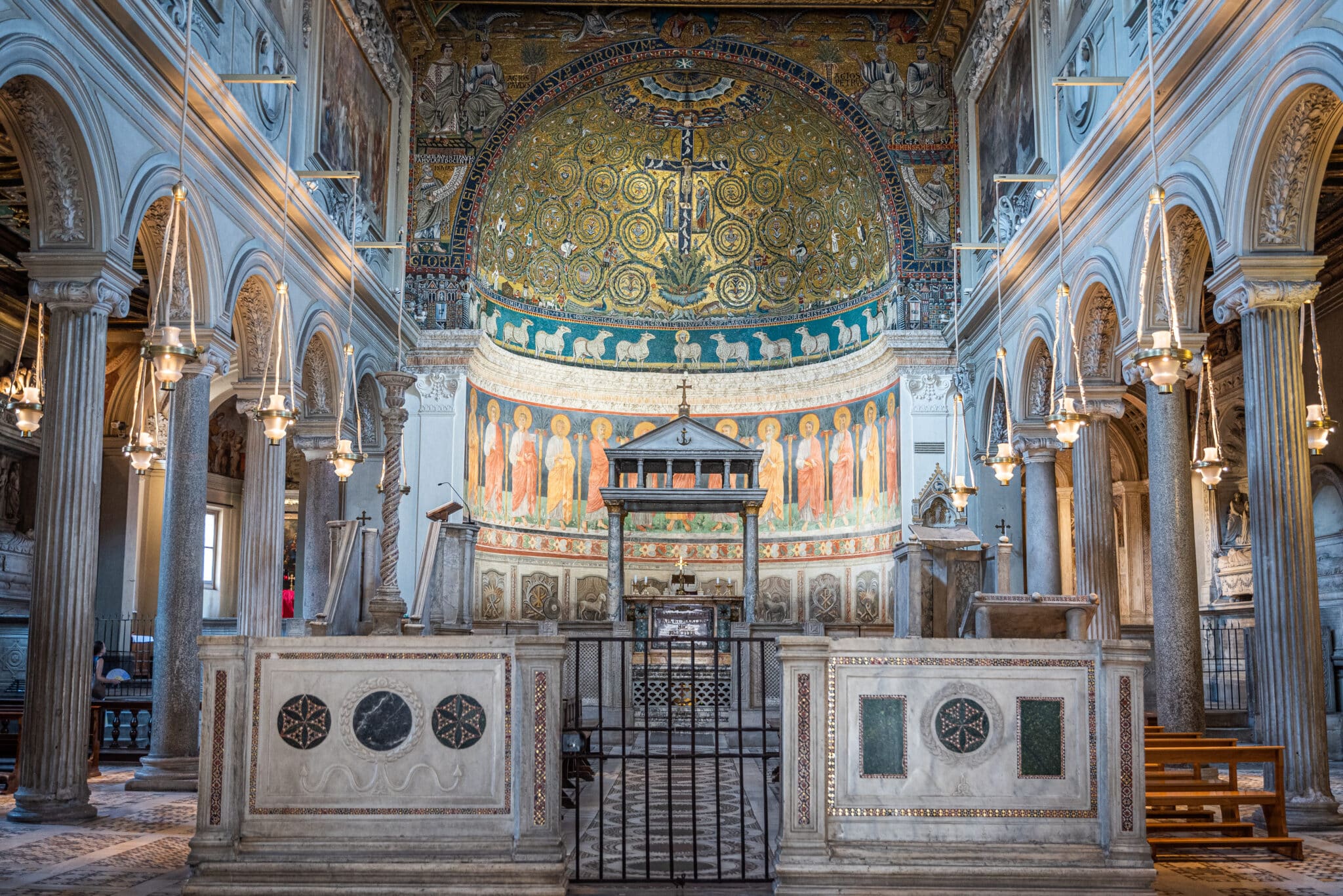
Beneath the bustling streets of Rome, tucked away in the heart of the city, lies a hidden treasure that few tourists ever have the privilege of discovering. The Mitreo di San Clemente is a remarkable site that offers a glimpse into the ancient rituals of the Mithraic cult, one of the most fascinating and enigmatic religious movements of the Roman Empire. What makes this underground sanctuary so compelling is not just its historical significance, but its mystical allure that continues to captivate scholars, historians, and curious visitors alike.
Located within the Basilica di San Clemente, a church that already holds layers of history dating back to the 4th century, the Mithraeum invites you to step back in time to when this secretive cult held sway over many Roman citizens. The cult of Mithras, centered around the Persian god of light and truth, spread rapidly across the Roman Empire, leaving behind monuments, rituals, and temples, most of which have long been erased by time. The Mithraeum of San Clemente, however, has managed to survive the centuries, offering a rare and intimate connection with a long-lost religious practice.
In this article, we’ll explore the fascinating history, the archaeological significance, and the mysterious allure of this subterranean shrine, helping you understand why it continues to be a hidden gem in Rome’s vast historical landscape. Let’s dive into the secrets of the Mitreo di San Clemente, where ancient myths, rituals, and the timeless beauty of Roman craftsmanship come together in one extraordinary place.
The Mithraeum of San Clemente: A Glimpse into Ancient Rome’s Mystical Past
The Mitreo di San Clemente is more than just an archaeological site; it is a window into the spiritual world of ancient Rome. The Mithraic cult, which worshiped the god Mithras, was one of the most popular religions in the Roman Empire during the 2nd and 3rd centuries AD. The Mithraea, or temples dedicated to Mithras, were usually built underground as a symbol of the god’s connection to both the heavens and the underworld.
The Mithraeum of San Clemente is particularly significant because of its location. Situated below the Basilica di San Clemente, a 12th-century church, the temple was discovered in the late 19th century and is one of the best-preserved Mithraea in Rome. The complexity and layout of the Mithraeum reveal a great deal about the practices and beliefs of the Mithraic cult. Unlike the traditional Roman temples, which were built in open spaces, the Mithraeum’s underground setting reflects the mystical and initiatory nature of the Mithraic rites.
Inside the Mithraeum, visitors are greeted by the sight of an altar, an elegantly sculpted relief of Mithras slaying the bull, and other symbolic features that reflect the core tenets of Mithraism. The bull-slaying scene, known as the tauroctony, is central to Mithraic iconography and represents the god’s triumph over chaos and death, a symbol of rebirth and salvation. The relief is a stunning example of Roman craftsmanship, showing the fine attention to detail that has allowed it to survive for centuries.
As you walk through the narrow corridor of the Mithraeum, you’ll find benches along the walls, where worshippers would sit during the secretive rituals, which included the consumption of a sacred meal. The setting of the Mithraeum, with its dark, intimate atmosphere, is designed to evoke a sense of mystery and reverence, offering a profound spiritual experience.
The Rituals and Beliefs of Mithraism: Understanding the Cult’s Mystical Practices
To truly appreciate the significance of the Mitreo di San Clemente, it is essential to understand the core beliefs and rituals of the Mithraic cult. Mithraism was a mystery religion, meaning that it was secretive and only initiated members were allowed to participate in its rites. The cult was highly structured, with members progressing through seven grades of initiation, each with its own symbolic meaning and associated rituals.
The central myth of Mithraism revolves around the god Mithras, who was believed to have been born from a rock and was associated with the sun. The most important scene in Mithraic iconography is the tauroctony, in which Mithras is depicted slaying a bull, a powerful symbol of the triumph of good over evil. This act of slaying the bull was understood to have cosmic significance, as it was believed to bring about the regeneration of life and the restoration of order to the universe.
In the Mithraea, rituals were performed in dark, underground spaces, reflecting the cult’s belief in the secretive nature of the divine. Initiates would gather in these spaces to partake in commemorative feasts, which were thought to symbolize the death and resurrection of Mithras. The meals often included bread and wine, representing the body and blood of Mithras, similar to the Christian Eucharist.
One of the most fascinating aspects of Mithraism is its close ties to the Roman military. Many of the cult’s adherents were soldiers, and Mithraic temples have been found in military installations across the Roman Empire. This connection between Mithraism and the military is reflected in the symbolism and imagery found in Mithraea, which often depicted Mithras as a warrior god. The Mithraic cult was also exclusive, with membership typically limited to men, and it was considered to offer spiritual protection and a pathway to salvation for its initiates.
The Mithraeum’s Role in the Basilica of San Clemente: A Sacred Space with Layers of History
The Mitreo di San Clemente is part of the larger complex of the Basilica di San Clemente, a church with a rich and layered history. The basilica itself is a remarkable example of how different periods of history have left their mark on a single site. The present-day basilica was built in the 12th century, but beneath it lie earlier layers of history, including a 4th-century church and, beneath that, the Mithraeum.
The church’s construction over the Mithraeum is significant, as it reflects the changing religious landscape of Rome. Christianity became the dominant religion of the Roman Empire in the 4th century, and many of the city’s ancient pagan temples were abandoned or repurposed. In the case of the Basilica di San Clemente, the Mithraeum was not destroyed but instead buried beneath the church, preserving it for future generations to rediscover.
Visitors to the basilica can explore the different levels of the complex, starting with the 12th-century church, then descending to the 4th-century church, and finally reaching the Mithraeum. This progression through time provides a fascinating journey into the spiritual and architectural evolution of the site, revealing how Roman religious practices evolved over the centuries.
The fact that the Mithraeum was preserved beneath the church also speaks to the historical importance of this site. It is one of the few places in Rome where visitors can experience both Christian and pagan history side by side, providing a unique insight into the religious transition that took place in the Roman Empire. The Mithraeum of San Clemente, in its subterranean splendor, serves as a testament to the enduring power of ancient religious practices and their ability to coexist with the rise of new faiths.
Conclusion
Visiting the Mitreo di San Clemente is like stepping into another world—one where ancient mysticism, rituals, and religious beliefs come to life. This underground sanctuary, preserved beneath the layers of history, offers an exceptional glimpse into the past, allowing us to better understand the complexity of ancient Roman religion and the enduring allure of the Mithraic cult.
For anyone interested in Roman history, archaeology, or religious studies, the Mitreo di San Clemente is a must-visit destination. It is not just an archaeological site but a sacred space where the echoes of ancient rites continue to reverberate, providing a rare and intimate connection with the past.
FAQ
1. What is the Mithraeum of San Clemente?
The Mithraeum of San Clemente is an ancient underground temple dedicated to the god Mithras, located beneath the Basilica di San Clemente in Rome.
2. Why was the Mithraeum built underground?
The Mithraeum was built underground as a reflection of the mystical nature of Mithraic rituals and the belief in the god’s association with both the heavens and the underworld.
3. What is the significance of the bull-slaying scene in the Mithraeum?
The bull-slaying scene (tauroctony) is central to Mithraic iconography, symbolizing Mithras’ triumph over chaos and his role in the regeneration of life.
4. Can I visit the Mithraeum of San Clemente today?
Yes, the Mithraeum is open to visitors as part of the Basilica di San Clemente, which can be explored on a guided tour.
5. Is the Mithraeum of San Clemente connected to early Christianity?
Yes, the Mithraeum is located beneath a church that was built in the 4th century, highlighting the transition from pagan religions like Mithraism to Christianity in the Roman Empire.


