
Introduction: Why Visit the Catacombs of Domitilla
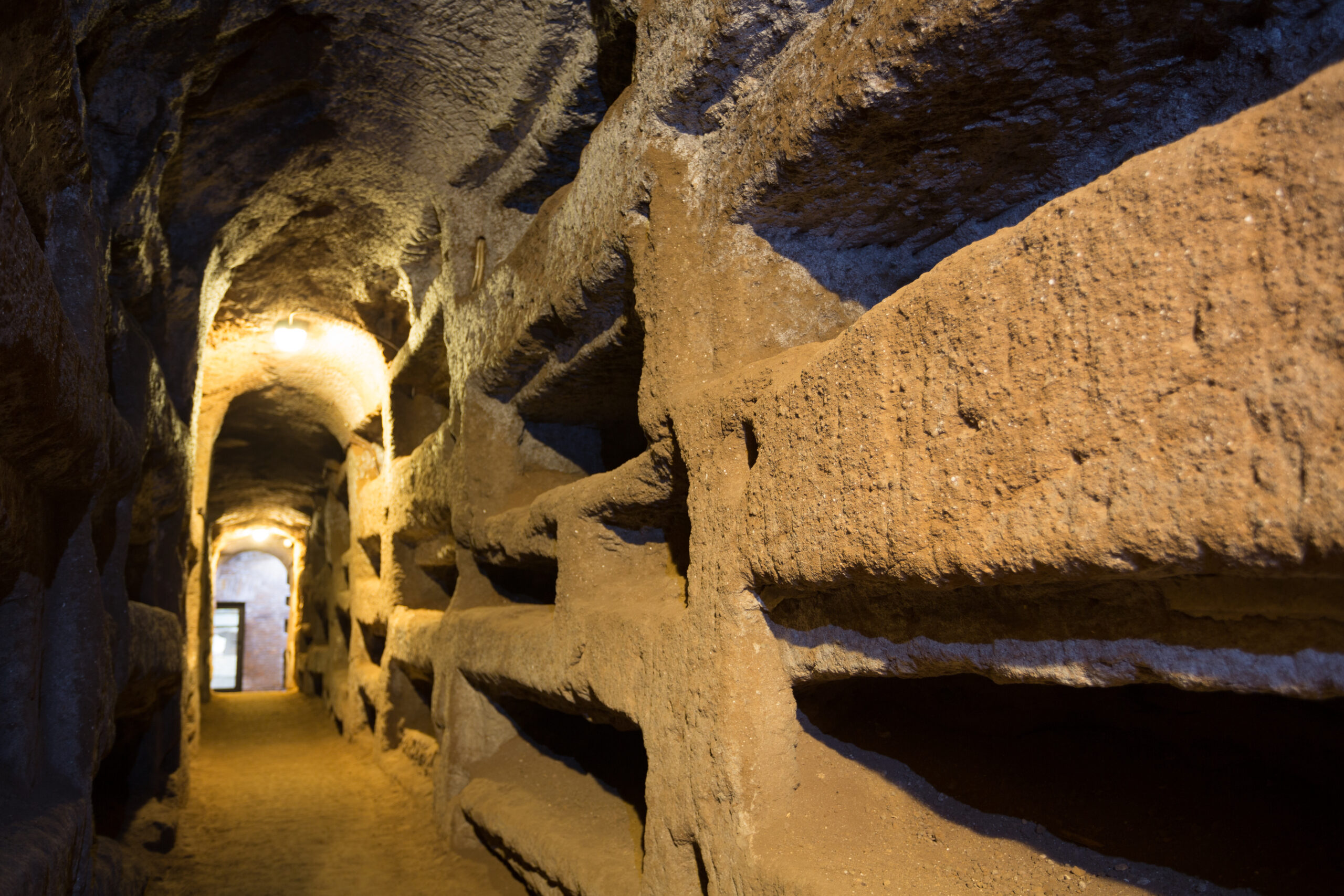
The Catacombs of Domitilla are among the most fascinating underground attractions in Rome, offering visitors a rare look into early Christian history and ancient burial traditions. With over 17 kilometers of tunnels, remarkable frescoes, and an underground basilica, this site is ideal for travelers seeking a deeper cultural experience beyond the city’s famous landmarks.
History of the Catacombs of Domitilla
Dating back to the 2nd century AD, the catacombs are named after Flavia Domitilla, a Roman noblewoman associated with early Christianity. During times of religious persecution, Christians used these underground passages for burials, worship, and community gatherings. Over centuries, the site expanded into one of the most extensive Christian catacomb complexes in Rome.
What to See Inside
Visitors exploring the Catacombs of Domitilla can discover:
-
Long underground corridors lined with burial niches
-
Beautiful early Christian frescoes depicting biblical scenes
-
Ancient symbols of faith such as the Good Shepherd and the fish
-
The impressive underground Basilica of Saints Nereus and Achilleus
These elements make the catacombs a unique combination of archaeology, art, and religious heritage.
Guided Tours and Visitor Information
A guided tour is the best way to experience the catacombs, as access is limited to protect the fragile environment. Tours provide historical context, stories about early Christian communities, and explanations of the artwork and architecture.
Tips for visitors:
-
Bring a light jacket — temperatures underground are cool year-round
-
Wear comfortable shoes for walking on uneven surfaces
-
Book tickets in advance during peak tourist seasons
-
Combine your visit with nearby attractions along the Appian Way
Cultural and Historical Significance
The catacombs are not only burial grounds but also powerful testimonies to faith, resilience, and the evolution of Christianity in ancient Rome. They help historians understand funerary practices, social structures, and religious symbolism of the period.
Conclusion: A Hidden Gem in Rome
For travelers interested in history, archaeology, or religious sites, the Catacombs of Domitilla are a must-see destination. Their peaceful atmosphere and rich historical layers offer an unforgettable journey beneath the surface of Rome, revealing stories that have endured for nearly two thousand years.


