
Introduction
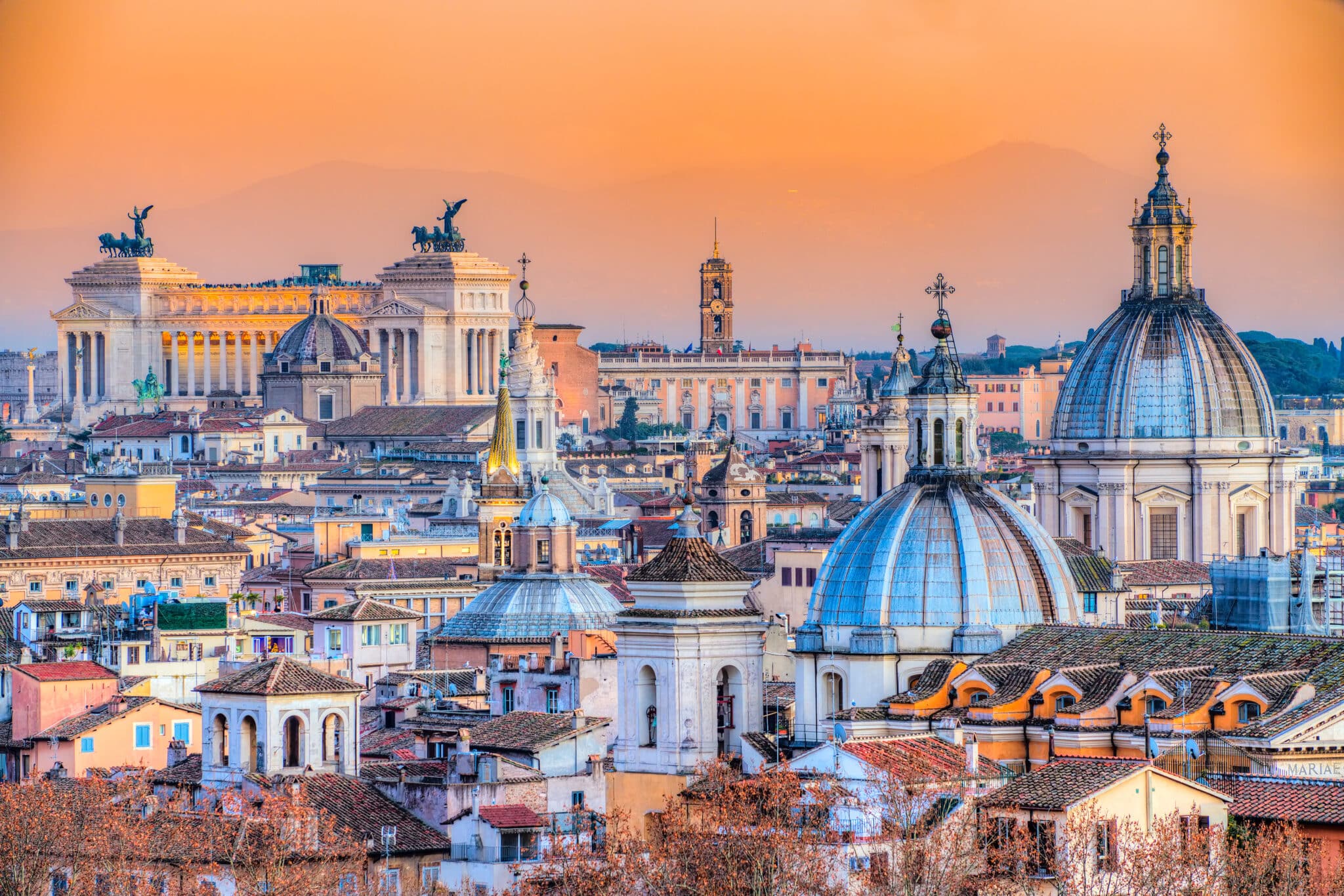
Are you dreaming of walking through ancient ruins, enjoying delicious gelato under the Roman sun, and exploring some of the world’s most iconic landmarks? Then Rome in summer 2025 is calling your name. With thousands of years of history, breathtaking architecture, and endless cultural treasures, Rome is a top destination for summer travelers. In this guide, we’ll walk you through the most important monuments you can’t miss—perfect for both first-timers and seasoned visitors.
1. The Colosseum
The Colosseum is the beating heart of ancient Rome. Built in 80 AD, this massive amphitheater once held over 50,000 spectators who gathered to watch gladiators battle, wild animal hunts, and dramatic performances. Today, it stands as a symbol of Rome’s imperial past.
In summer 2025, the Colosseum will offer expanded evening tours, including dramatic light projections and AR-enhanced experiences that let you witness what the arena looked like in its prime. A walk through its arches, corridors, and underground chambers will leave you in awe. Don’t forget to snap a photo from the top tier, where the views stretch across ancient Rome.
2. The Roman Forum
Just a few steps from the Colosseum is the Roman Forum, once the bustling center of Roman public and political life. Here, senators debated laws, citizens worshipped gods, and generals celebrated military victories.
Wandering through the ruins of temples, basilicas, and triumphal arches, you’ll see the remains of Rome’s greatness. Highlights include the Temple of Saturn, the House of the Vestal Virgins, and the impressive Arch of Titus, which inspired many modern monuments. Visiting with a licensed guide or using a detailed audio tour can greatly enrich your understanding of this historic space.
3. The Pantheon
The Pantheon is a marvel of ancient engineering and one of the best-preserved Roman monuments. Originally built as a temple to all gods, it now functions as a Catholic church and resting place for famous figures like Raphael.
Its iconic dome—still the world’s largest unreinforced concrete dome—features a circular opening at the top called the oculus, which lets in sunlight and even rain. When visiting in summer 2025, take time to appreciate the harmony of its proportions, the stunning marble floor, and the tranquil atmosphere inside. New multilingual guided tours and exhibits will explain its influence on Western architecture.
4. St. Peter’s Basilica
Located in the heart of Vatican City, St. Peter’s Basilica is one of the largest and most important churches in the world. Designed in part by Michelangelo, it houses incredible masterpieces such as the Pietà and the richly decorated Baldachin by Bernini.
Visitors in summer 2025 can climb to the top of the dome for an unforgettable 360-degree view of Rome and St. Peter’s Square. The basilica is also offering evening openings with organ music and fewer crowds—perfect for those seeking a peaceful, spiritual experience. Remember to dress modestly (shoulders and knees covered) as it’s a sacred space.
5. Castel Sant’Angelo
Originally built as a mausoleum for Emperor Hadrian, Castel Sant’Angelo has lived many lives: from imperial tomb to fortress, papal residence, prison, and now museum. This circular castle sits along the Tiber River, connected to the city by the beautiful Ponte Sant’Angelo, adorned with angel statues.
In summer 2025, the castle will host temporary exhibitions focusing on papal history and Renaissance defense systems. You can explore the papal apartments, walk along the ramparts, and end your visit on the panoramic terrace, which offers one of the best sunset views in Rome.
6. Trevi Fountain
Legend says that if you toss a coin over your shoulder into the Trevi Fountain, you’re guaranteed to return to Rome. Designed by Nicola Salvi, this stunning Baroque fountain features Neptune, sea horses, and allegorical figures, all sculpted in marble.
During summer 2025, the city will implement crowd control measures and offer nighttime illuminations to create a more relaxed and magical atmosphere. Visit late in the evening to admire the sparkling water and detailed sculptures without the daytime rush. It’s the perfect spot to rest, reflect, and soak up the magic of Rome.
Bonus Tip: Don’t Rush
Rome is best enjoyed slowly. Allow time to get lost in the streets, sit in a piazza, sip an espresso, and absorb the rhythm of local life. Many hidden corners and small churches are just as stunning as the famous landmarks.
Conclusion
Whether you’re marveling at the engineering of the Colosseum, finding peace in St. Peter’s Basilica, or tossing a coin at the Trevi Fountain, Rome in summer 2025 is a journey through time and beauty. Its monuments are more than tourist attractions—they’re powerful reminders of a civilization that shaped the world. Make space in your itinerary to appreciate their stories, and you’ll walk away with memories that last a lifetime.
Frequently Asked Questions (FAQ)
1. What is the best time of day to visit monuments in Rome during summer?
The best times are early in the morning (before 10 AM) or late in the afternoon (after 5 PM), when temperatures are cooler and crowds are smaller.
2. Do I need to book tickets in advance?
Yes! Many sites, especially the Colosseum, Vatican Museums, and St. Peter’s Dome, require online reservations to manage visitor numbers and reduce wait times.
3. Is there a dress code for religious monuments?
Absolutely. Churches like St. Peter’s Basilica and the Pantheon require modest attire—no shorts, miniskirts, or bare shoulders. Bring a scarf or light cover-up just in case.
4. Are Rome’s monuments accessible for people with disabilities?
Many major monuments now offer wheelchair access, elevators, and accessible restrooms, though some ancient ruins may still have uneven terrain. Check official sites for the most updated info.
5. Can I visit all the monuments in one day?
Technically, yes—but you’ll be rushing. To truly enjoy each site, we recommend spreading your visits across 2 to 3 days and combining them with nearby attractions and local eateries.


