
A Global Moment of Farewell and Reflection
April 26, 2025, will be remembered as a day that transcended religious rites and borders. The funeral of Pope Francis brought together not only Catholics from every corner of the world but also leaders from over 130 nations, each paying tribute to a man who changed the papacy with humility, conviction, and compassion. As the bells of St. Peter’s Basilica echoed across Rome, a sea of over 200,000 mourners gathered in solemn silence, united in grief and respect. From heads of state to the humblest faithful, the diversity in the crowd reflected the Pope’s enduring global impact.
What unfolded was not just a religious ceremony—it was a defining moment of diplomacy, unity, and shared humanity. More than 50 presidents and prime ministers attended, joined by royalty, clergy, and civilians, underscoring the weight of Pope Francis’s moral authority on the world stage. This article dives deep into the ceremony, the powerful symbols of unity, and what lies ahead for the Catholic Church. Keep reading to understand why this was not just a funeral, but a farewell that marked the end of an era—and the beginning of a new one.
The Ceremony That Stopped the World
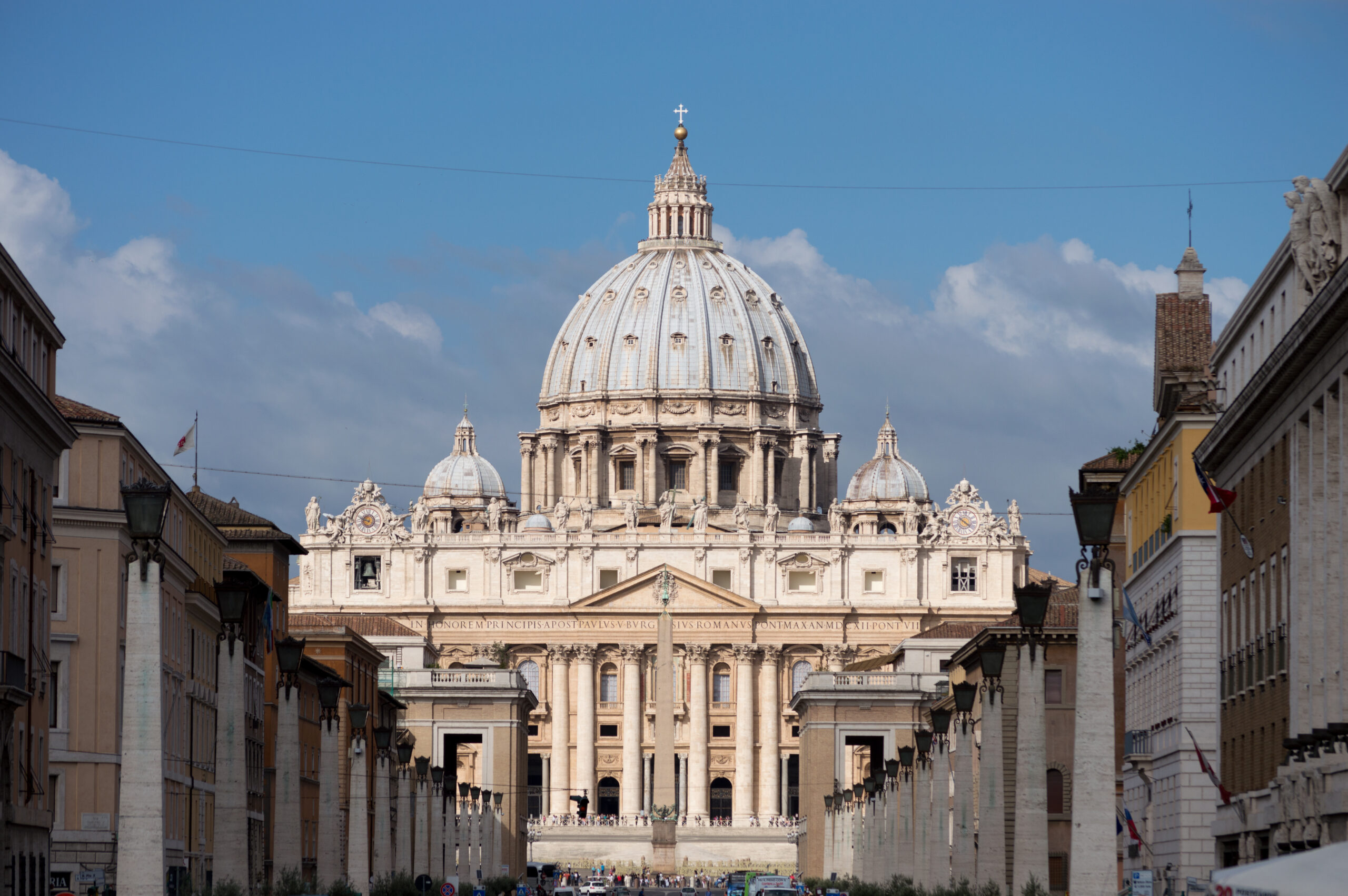
As the sun rose over Vatican City, the atmosphere in St. Peter’s Square turned sacred. The funeral Mass began promptly at 10:00 AM, with Cardinal Giovanni Battista Re presiding in place of a pope—marking a rare moment in Church history. The Mass itself was rich in liturgical tradition, yet infused with deeply personal tributes that highlighted Pope Francis’s decades-long mission of inclusion, peace, and justice.
From the Latin hymns to the Gospel readings, everything was imbued with symbolism. The homily, spoken in Italian and translated into seven languages on Vatican screens, centered on the Pope’s dedication to “the least among us.” During moments of silence, even birds seemed to pause, as if nature itself paid respect.
What made this ceremony historic was not just its grandeur, but its powerful simplicity. Pope Francis had often spoken of wanting a humble funeral—yet the sheer volume of those who came to honor him turned it into a global spectacle. Attendees included President Emmanuel Macron of France, King Felipe VI of Spain, Prince William of the UK, and Ukrainian President Volodymyr Zelensky, among others.
As the Pope’s casket was carried in a six-kilometer procession through Rome, the city stood still. People wept. Leaders bowed their heads. Crowds waved olive branches. This was not just a religious moment—it was a collective reckoning with the loss of a moral compass. The Pope was later buried in the Basilica of St. Mary Major, a personal request that honored his Marian devotion.
What Comes Next: The Conclave and the Future of the Church
With Pope Francis now laid to rest, the Catholic Church enters a pivotal chapter: the sede vacante—a time when the papal seat is officially vacant. According to canon law, the College of Cardinals will meet in conclave between May 5 and May 10, 2025, to elect the new pope. The stakes are high: the Church is at a crossroads, and its next leader must navigate an increasingly complex world.
The conclave will gather approximately 120 cardinal electors, who will meet under strict secrecy within the Sistine Chapel. Their decision must be guided not by politics, but by prayer, discernment, and vision. The world’s eyes will be watching, eager to see whether the next pontiff will continue Francis’s legacy or chart a new course.
The Church faces enormous challenges—from declining church attendance in the West to political tensions in regions where Christianity is persecuted. Yet it also holds immense potential to shape ethical discourse on climate change, artificial intelligence, migration, and poverty. The next pope must be both spiritual guide and global statesman.
Pope Francis’s papacy was marked by reform, outreach to marginalized communities, and efforts to modernize Church teachings. Whoever succeeds him must build upon these efforts—or explain why they won’t. Regardless of the direction, the conclave of 2025 will shape not just the future of the Church, but of global moral leadership. This is a moment of spiritual suspense that invites prayer, hope, and patience.
A Final Benediction: Pope Francis’s Legacy Will Endure
In the silence that followed Pope Francis’s funeral, one truth became evident: this was a man who had reshaped the papacy from a throne to a bridge—between nations, faiths, and people. His death marked the end of a powerful chapter in modern history. And yet, his legacy is not buried with him. It lives on in the reforms he enacted, in the hearts he touched, and in the vision he set for a Church more open, more compassionate, and more courageous.
Pope Francis reminded the world that power can be used to serve, that faith can be a force for unity, and that even the oldest institutions can adapt to the needs of the present. As the world mourns, it also prepares to move forward—with gratitude, inspiration, and an urgent question: who will carry the torch next?
FAQs
1. Who attended the funeral of Pope Francis?
Over 130 international delegations were present, including 50 heads of state, such as U.S. President Donald Trump, French President Emmanuel Macron, and Ukrainian President Volodymyr Zelensky.
2. Where was the Pope buried?
Pope Francis was buried in the Basilica of St. Mary Major in Rome, honoring his devotion to the Virgin Mary.
3. What happens now in the Vatican?
The Church enters a period of “sede vacante,” meaning the seat of the pope is empty until a new pope is elected via conclave in early May.
4. Will Pope Francis’s reforms continue?
That depends on the next pope, who will either build upon or redirect the legacy of Francis, particularly regarding Church modernization and outreach.
5. Why was this funeral historically significant?
It marked a rare moment of global unity, drawing leaders and citizens from all over the world in a shared tribute to one of the most progressive popes in history.


