
A Gem in the Heart of Rome: San Luigi dei Francesi and Caravaggio’s Masterpieces
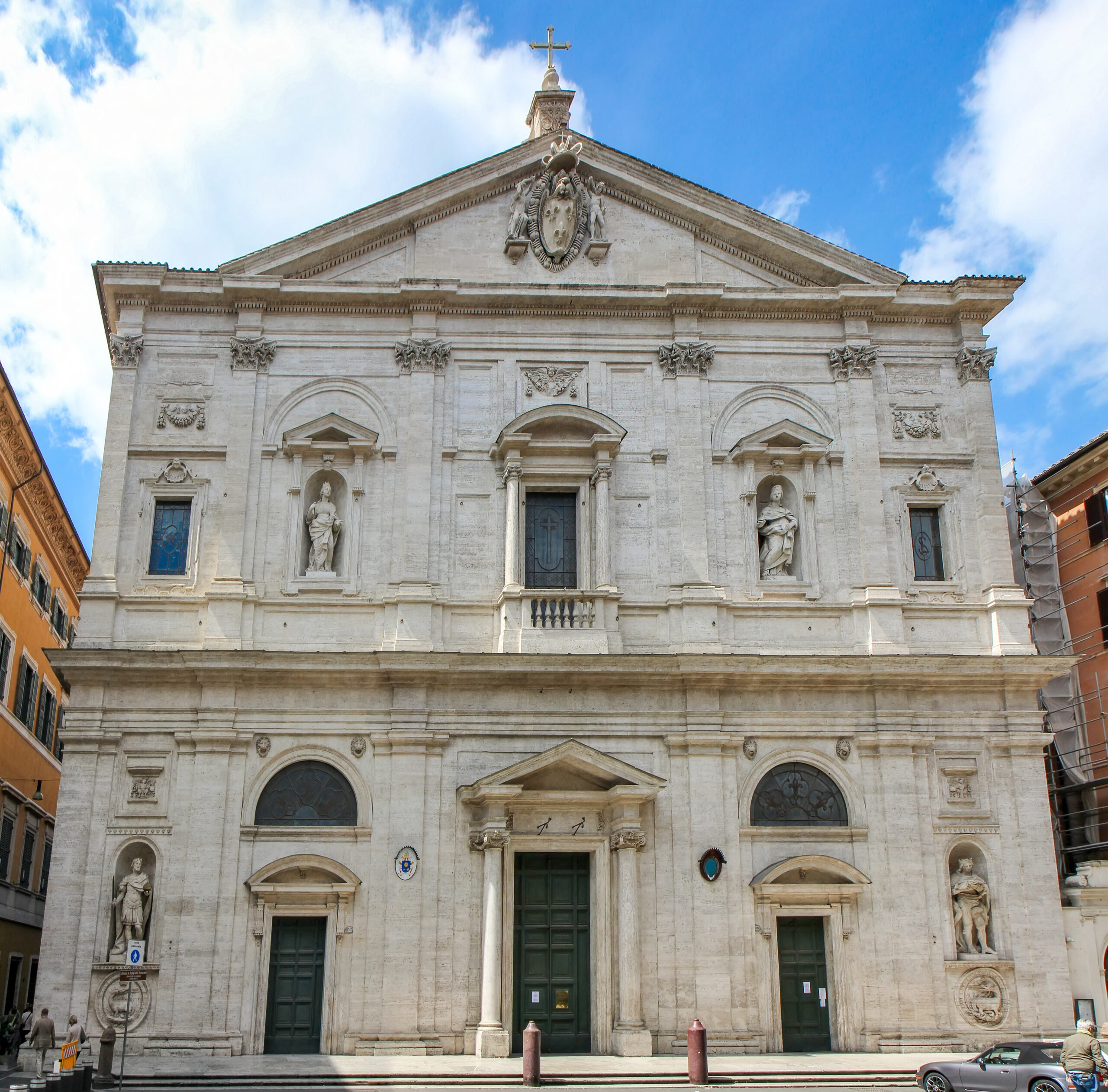
Nestled in the heart of Rome, a stone’s throw from the vibrant Piazza Navona, lies one of the city’s most captivating landmarks, San Luigi dei Francesi. This historic church is not only an active place of worship but also an exceptional artistic treasure that showcases some of the most iconic works of the Baroque artist Caravaggio. For art enthusiasts and history lovers, visiting San Luigi dei Francesi is like stepping into a living museum where the boundaries between religion and art blur seamlessly. Inside, visitors can admire some of Caravaggio’s most celebrated paintings, which forever changed the course of Western art. Known for his dramatic use of light and shadow, Caravaggio’s works in this church are among his most important. His masterful ability to bring biblical stories to life with striking realism continues to captivate audiences worldwide, making this church a must-see destination for anyone visiting Rome. The experience of walking through its doors is a unique opportunity to witness history, art, and spirituality intertwined in one of Rome’s most sacred spaces.
San Luigi dei Francesi: A Church with an Artistic Legacy
San Luigi dei Francesi, a Roman Catholic church in the historic center of Rome, was built between 1518 and 1589 and is dedicated to Saint Louis of France. Its stunning architecture and rich history make it one of the most fascinating places in the city. However, the true highlight of this church lies in its artistic treasures, most notably the paintings by Caravaggio. Caravaggio was commissioned to create several works for the church, and these masterpieces are now considered some of the most significant in the history of Western art.
The church’s most famous pieces by Caravaggio are housed in the Contarelli Chapel, where three key works depicting the life of Saint Matthew are displayed. These paintings—the Calling of Saint Matthew, the Martyrdom of Saint Matthew, and the Death of Saint Matthew—are prime examples of Caravaggio’s dramatic style, utilizing intense contrasts of light and shadow, known as chiaroscuro, to convey powerful emotions and a sense of immediacy. The Calling of Saint Matthew, for instance, captures the exact moment when Matthew is called by Jesus, highlighting Caravaggio’s ability to create a dynamic and intense narrative. His use of everyday characters as models further brought a humanistic approach to biblical stories, making them more relatable and impactful for the viewer.
San Luigi dei Francesi is not just a church; it’s a journey through the evolution of art, where religious themes are portrayed with a fresh, emotional intensity that was groundbreaking for its time. The juxtaposition of divine and earthly realms in Caravaggio’s works creates a strikingly realistic atmosphere, blurring the lines between the sacred and the secular. It is this juxtaposition that has cemented Caravaggio’s legacy as one of the greatest masters in the history of art.
Caravaggio and His Influence at San Luigi dei Francesi
Caravaggio’s work at San Luigi dei Francesi holds an important place in the narrative of his career and artistic development. Born in 1571 in Milan, Caravaggio’s revolutionary style was rooted in a deep engagement with realism, which set him apart from his contemporaries. His raw depictions of human emotion and the use of light to dramatize the narrative in his paintings were groundbreaking and at times controversial.
The three paintings at San Luigi dei Francesi are prime examples of Caravaggio’s commitment to unconventional realism. In the Calling of Saint Matthew, Jesus is depicted as a humble figure, reaching out to Matthew, who is portrayed as an ordinary tax collector, showing Caravaggio’s refusal to idealize religious figures. Instead, he portrayed them in human terms, emphasizing their vulnerability and humanity. This radical approach was a major departure from the more traditional, idealized depictions of biblical scenes common in earlier Renaissance art. The emotional intensity of the work, as well as its grounded, earthly approach, was a departure from the more spiritualized works of other artists of the time.
Moreover, Caravaggio’s use of light and shadow in the Martyrdom of Saint Matthew is especially notable. The intense contrasts of light create a dramatic effect, heightening the emotional impact of the scene. Caravaggio was a master of chiaroscuro, using light not only as a visual tool but as a means of enhancing the emotional and spiritual depth of the scene. This technique was a hallmark of his work and would influence countless artists in the centuries that followed.
By integrating Caravaggio’s works into San Luigi dei Francesi, the church became not only a place of religious significance but also a center of artistic innovation. His paintings transformed the way biblical narratives were presented, bridging the gap between the sacred and the real world in ways that had never been done before. Today, these masterpieces continue to draw visitors from all over the world, proving that art can transcend time and space to speak directly to the soul.
The Timeless Impact of San Luigi dei Francesi and Caravaggio’s Art
San Luigi dei Francesi and its collection of Caravaggio’s works remain an essential part of Rome’s artistic heritage. The church offers a rare glimpse into the artist’s evolution and showcases his deep connection with religious themes. For centuries, Caravaggio’s ability to blend the sacred and the mundane has resonated with viewers, and these works continue to inspire and captivate audiences to this day.
Why San Luigi dei Francesi is a Must-Visit for Art Lovers
Visiting San Luigi dei Francesi is an experience that transcends the typical museum visit. Here, you are not only witnessing the art but stepping into the very history of religious art. Caravaggio’s works are not just paintings; they are immersive experiences that challenge the viewer to rethink the role of religion, humanity, and art in society.
FAQs
- What is San Luigi dei Francesi known for? San Luigi dei Francesi is known for housing three important works by Caravaggio, depicting the life of Saint Matthew.
- Where is San Luigi dei Francesi located? It is located in the heart of Rome, near Piazza Navona.
- Which paintings by Caravaggio can be seen at San Luigi dei Francesi? The three paintings are the Calling of Saint Matthew, the Martyrdom of Saint Matthew, and the Death of Saint Matthew.
- Why is Caravaggio’s style so significant? Caravaggio’s use of light and shadow, or chiaroscuro, and his realistic portrayal of religious figures were groundbreaking and influenced countless artists.
- Is San Luigi dei Francesi free to visit? While the church is free to enter, donations are encouraged. Special tours may also require a fee.


