
Rome, the Eternal City, is filled with history, art, and spirituality. Among the many fascinating aspects of the city, the Four Holy Doors (Le Porte Sante) stand as unique symbols of faith and pilgrimage. These sacred doors are an essential part of the Catholic tradition, offering believers a chance to experience a profound spiritual journey. In this blog, we will take you through the significance of each of the Four Holy Doors, what they represent, and how you can visit them.
Introduction: What Are the Four Holy Doors?
The Four Holy Doors are special doors located in four major churches in Rome, each opening only during Holy Years (also known as Jubilees), a tradition that dates back to the Middle Ages. These doors are not just architectural features; they are profound symbols of God’s mercy, forgiveness, and the opportunity for spiritual renewal. Pilgrims who pass through these doors are believed to receive indulgences, a significant act of grace within the Catholic faith.
Each Holy Door is marked with an inscription and opened only during a Jubilee year, which occurs every 25 years, although special Holy Years may be proclaimed by the Pope. These doors represent the Church’s invitation to repentance and redemption, offering a tangible way to seek forgiveness and start anew.
1. St. Peter’s Basilica: The Most Iconic Holy Door
The most famous of the Four Holy Doors is located at St. Peter’s Basilica in Vatican City. This door is considered the most important because it symbolizes the gateway to the heart of the Catholic Church. During a Jubilee Year, this door is opened by the Pope himself and serves as a profound symbol of welcoming all the faithful into the Church.
The St. Peter’s Holy Door is made of bronze and decorated with inscriptions and symbols that reflect the Christian faith. Passing through it is seen as an act of spiritual renewal, signifying the pilgrim’s entry into the Church and into a new phase of faith.
Tip: If you are visiting during a Jubilee Year, don’t miss the chance to cross the threshold of St. Peter’s Basilica, one of the holiest sites in Christianity.
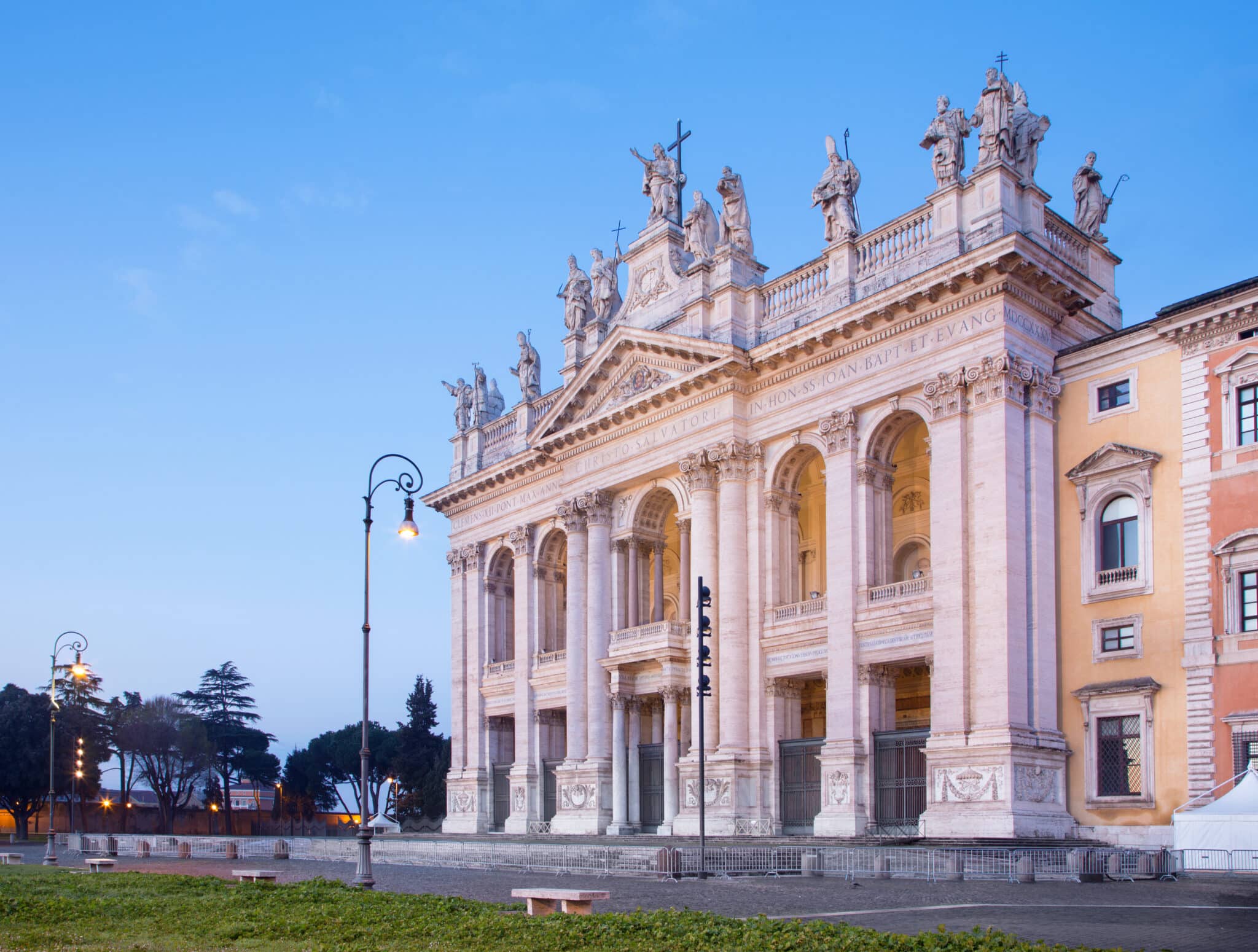
2. The Holy Door of St. John Lateran
St. John Lateran, the Cathedral of Rome and the official residence of the Pope, is home to the second of the Four Holy Doors. This church is considered the Mother of all churches in Rome, making this door especially significant. The Holy Door of St. John Lateran is opened only during Holy Years and provides an opportunity for pilgrims to experience a deep connection with the history of the Church.
The door is made of wood and adorned with intricate carvings that depict various scenes from the life of Christ. It represents the journey of faith, starting from the mother church and leading towards spiritual redemption.
Tip: While in the area, don’t forget to explore the beautiful piazza in front of St. John Lateran and visit the basilica’s impressive interior.
3. The Holy Door of St. Mary Major
St. Mary Major, one of the major basilicas in Rome, is home to the third Holy Door. This basilica is dedicated to the Virgin Mary and is one of the oldest Christian churches in the city. The Holy Door of St. Mary Major represents the maternal aspect of the Church, calling pilgrims to reflect on the Virgin Mary’s role in guiding and interceding for believers.
Like the others, the Holy Door at St. Mary Major is opened only during a Jubilee Year and invites pilgrims to enter into a deeper relationship with God through the intercession of Mary.
Tip: Take time to admire the beautiful mosaics inside St. Mary Major, which depict significant events in the life of the Virgin Mary.
4. The Holy Door of St. Paul Outside the Walls
The final Holy Door is found at the Basilica of St. Paul Outside the Walls, which is dedicated to St. Paul the Apostle. This basilica is one of the four papal major basilicas and stands as a reminder of the global mission of the Church. The Holy Door of St. Paul Outside the Walls is a symbol of the Church’s universal reach, calling people from all walks of life to enter into a relationship with Christ.
This door is also made of bronze and is marked by inscriptions that reflect the teachings of St. Paul. For pilgrims, this door serves as a powerful symbol of the Church’s mission to bring the message of Christ to the ends of the earth.
Tip: Be sure to explore the beautiful cloister of St. Paul Outside the Walls, a peaceful area filled with history and tranquility.
Conclusion: A Spiritual Pilgrimage to Rome’s Holy Doors
The Four Holy Doors of Rome represent more than just physical thresholds; they are gateways to spiritual renewal, forgiveness, and a deeper connection with the Catholic faith. Each door tells its own story, from the papal authority of St. Peter’s Basilica to the maternal guidance of St. Mary Major. Visiting these sacred sites offers pilgrims and visitors alike the chance to reflect on their faith and experience the timeless beauty of Rome’s Christian heritage.
FAQs:
- What is the significance of the Four Holy Doors?
- The Four Holy Doors are symbols of mercy and forgiveness, and passing through them during a Jubilee Year is believed to grant indulgences and spiritual renewal.
- How often are the Holy Doors opened?
- The Holy Doors are opened during Holy Years (Jubilee Years), which occur every 25 years, although additional special Jubilee Years may be proclaimed by the Pope.
- Where are the Four Holy Doors located?
- The Four Holy Doors are located at St. Peter’s Basilica, St. John Lateran, St. Mary Major, and St. Paul Outside the Walls.
- Can I visit the Holy Doors at any time?
- You can visit the churches at any time, but the Holy Doors are only open during a Jubilee Year. Outside of these times, the doors remain closed.
- Do I need to be Catholic to pass through the Holy Doors?
- While the Holy Doors are especially meaningful for Catholics, anyone is welcome to visit the doors and reflect on their faith during a Jubilee Year.


