
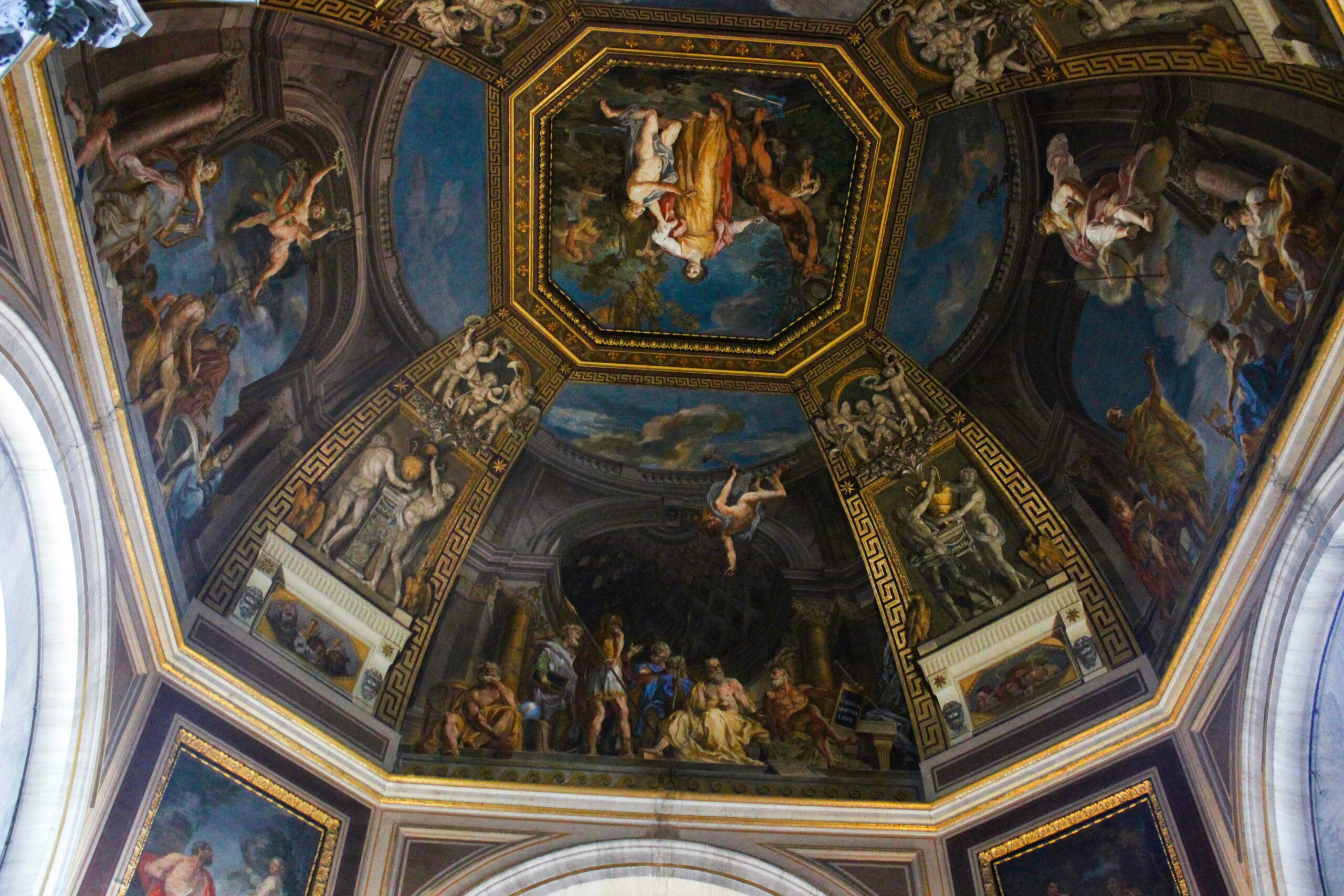
Tucked away within the Vatican Palace, the Niccoline Chapel (or Cappella Niccolina) is one of the most exquisite yet lesser-known treasures of the Renaissance. Commissioned by Pope Nicholas V around 1447–1451, this small chapel stands as a testament to the early flowering of Renaissance art and humanist ideals. Unlike the grand Sistine Chapel, the Niccoline Chapel remains a more private and intimate space, designed for personal devotion and reflection.
Fra Angelico’s Masterpiece
The walls and ceilings of the chapel are entirely covered in frescoes by the celebrated artist Fra Angelico, a Dominican friar whose work combines spiritual depth with remarkable artistic innovation. These frescoes narrate the lives of Saint Stephen and Saint Lawrence, two deacons of the early Christian Church known for their charity and martyrdom. Through Angelico’s delicate use of color, light, and perspective, each scene radiates both divine serenity and human emotion.
A Bridge Between Gothic and Renaissance
A closer look at the artistic style reveals the transition from Gothic to Renaissance sensibilities. Fra Angelico’s figures are rendered with graceful naturalism, and the architectural backgrounds show the influence of Brunelleschi’s perspective. The frescoes are not only decorative but also deeply didactic, illustrating themes of service, faith, and sacrifice—virtues that Pope Nicholas V sought to promote within his papal court.
The Symbolism of Faith and Humanism
Beyond its artistic value, the Niccoline Chapel holds great symbolic significance. Pope Nicholas V envisioned the Vatican as a center of both spiritual authority and intellectual renewal, aligning the Church with the ideals of humanism. The chapel, therefore, reflects a profound harmony between faith and reason, celebrating the dignity of human endeavor under divine guidance.
A Hidden Sanctuary in the Vatican
Today, the Niccoline Chapel remains a hidden sanctuary within the vast Vatican complex. Accessible only to a limited number of visitors, it offers a rare glimpse into the intimate spirituality and artistic brilliance of the early Renaissance. For those fortunate enough to enter, the chapel is not just a masterpiece of art—it is a journey into the soul of Renaissance faith.
FAQs about the Niccoline Chapel
1. Where is the Niccoline Chapel located?
The Niccoline Chapel is located inside the Apostolic Palace in Vatican City, close to the Raphael Rooms. It is part of the private papal apartments and is not open to the general public.
2. Who commissioned the Niccoline Chapel?
The chapel was commissioned by Pope Nicholas V (Tommaso Parentucelli) around 1447–1451, as part of his plan to transform the Vatican into a cultural and spiritual center of the Renaissance.
3. Who painted the frescoes in the chapel?
The frescoes were painted by Fra Angelico and his assistants. His work in the chapel is considered one of his finest achievements, blending religious devotion with artistic innovation.
4. What stories are depicted in the frescoes?
The frescoes illustrate the lives of Saint Stephen and Saint Lawrence, both deacons of the early Church who were martyred for their faith. The scenes emphasize themes of charity, service, and sacrifice.
5. Can visitors see the Niccoline Chapel today?
Access to the Niccoline Chapel is highly restricted. It is occasionally opened for private tours or special visits arranged through the Vatican Museums, but it is not part of the standard museum route.


