
Introduction
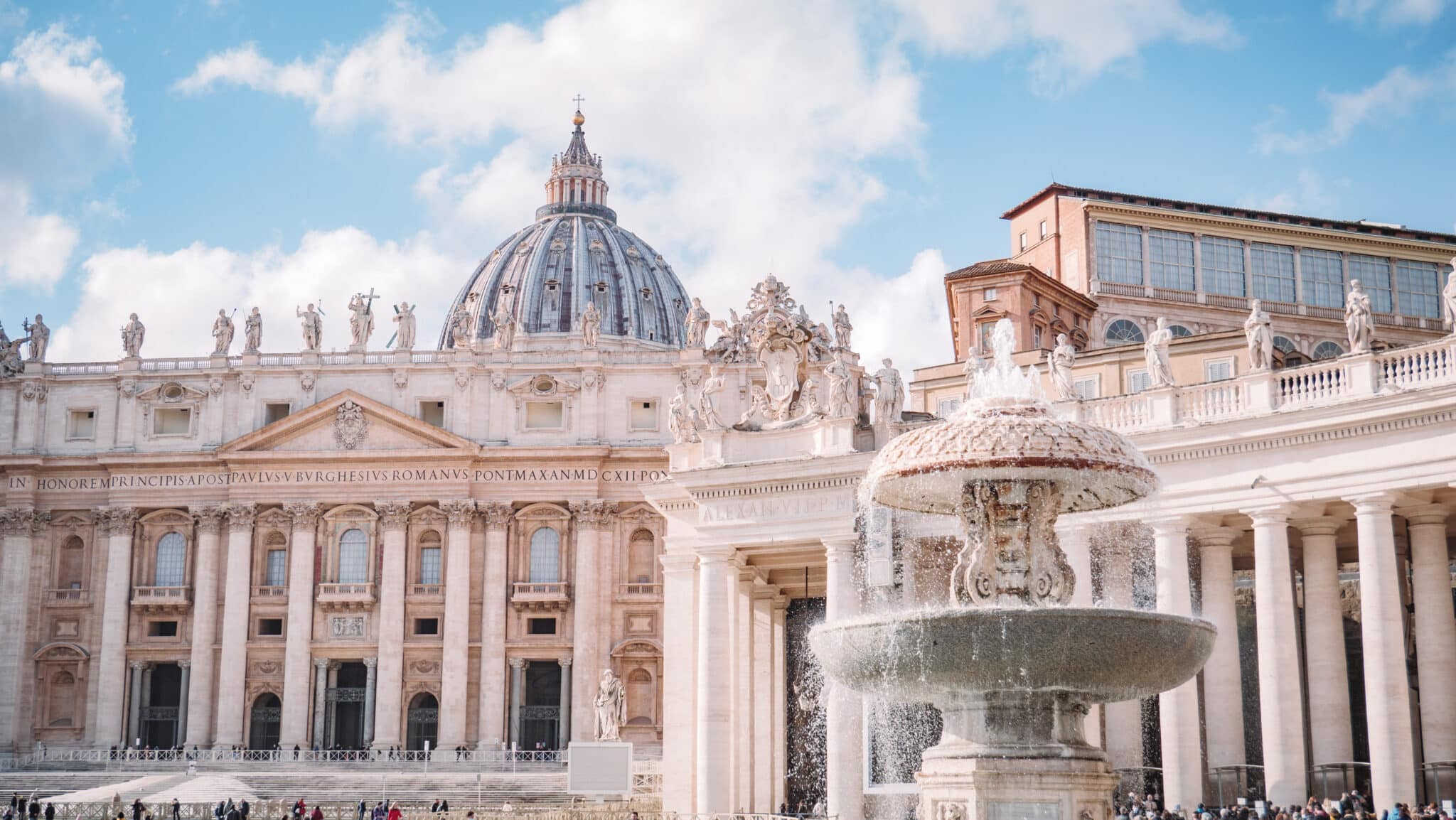
In the heart of Vatican City, one of the most impressive architectural wonders awaits: the Colonnade of St. Peter’s Square. Designed by the celebrated artist and architect Gian Lorenzo Bernini, this masterpiece is not only a triumph of Baroque architecture but also a profound symbol of the Catholic Church’s embrace of humanity. For centuries, millions of pilgrims and visitors have passed through its majestic columns, each experiencing a sense of awe and connection that transcends time.
A Vision of Embrace
Bernini envisioned the colonnade as the “maternal arms of the Church”, welcoming believers from all corners of the world. The elliptical shape of the square, framed by two sweeping rows of columns, creates a sense of embrace, drawing pilgrims toward the spiritual heart of Catholicism. This clever design was not only aesthetic but also deeply symbolic, reflecting the Church’s mission of inclusiveness.
The Architectural Brilliance
The colonnade consists of 284 Doric columns arranged in four rows, crowned by 140 statues of saints. Each statue, sculpted by different artists under Bernini’s direction, adds a layer of individuality to the otherwise uniform design. The grandeur of the structure is heightened by the careful use of perspective—standing at a specific spot marked on the pavement, all four rows of columns appear to align perfectly, showcasing Bernini’s mastery of illusion.
A Place of Gathering
Beyond its architectural beauty, St. Peter’s Colonnade has always been a place of encounter. It is here that thousands of pilgrims gather for papal blessings, ceremonies, and major liturgical events. The vast open space of the square, framed by the colonnade, balances both intimacy and grandeur, making it one of the most iconic public squares in the world.
Timeless Inspiration
Today, the colonnade continues to inspire millions of visitors each year. Whether one approaches it as a tourist, an art enthusiast, or a pilgrim, the experience of standing beneath its towering columns is unforgettable. It remains not only a triumph of Baroque architecture, but also a timeless reminder of the Church’s enduring presence and universal reach.
Conclusion
The Colonnade of St. Peter’s Square is far more than an architectural masterpiece—it is a living symbol of faith, artistry, and history. Bernini’s vision of open arms continues to resonate across centuries, reminding all who stand before it of the power of art to inspire unity and devotion. Visiting the colonnade is not just about admiring a monument, but about experiencing a place where spirituality and beauty meet.
Frequently Asked Questions (FAQ)
1. Who designed St. Peter’s Colonnade?
It was designed by Gian Lorenzo Bernini between 1656 and 1667 under the commission of Pope Alexander VII.
2. How many columns does the colonnade have?
The structure is composed of 284 Doric columns arranged in four rows.
3. What do the statues on top of the colonnade represent?
There are 140 statues of saints, each symbolizing the universality of the Church and crafted by different artists.
4. What is the symbolic meaning of the colonnade’s shape?
Its elliptical form represents the welcoming arms of the Church, embracing all believers.
5. Can visitors enter the colonnade at any time?
Yes, the square and the colonnade are open to the public and accessible at all times, though it is busiest during papal events and ceremonies.


