
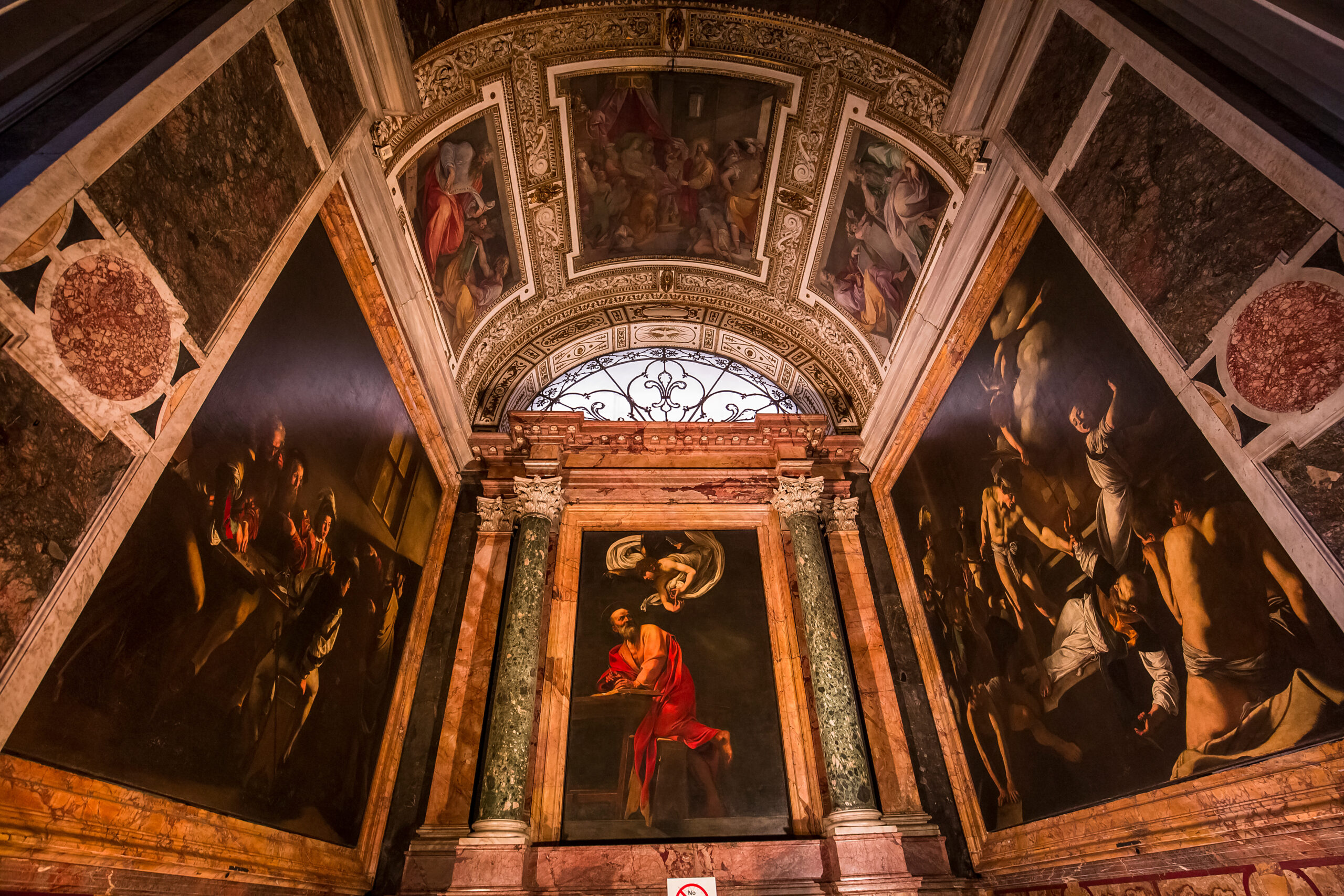
The mysteries of Caravaggio in Rome are an enticing journey into the world of one of the most fascinating and controversial artists in history. Known for his revolutionary use of light and shadow, Caravaggio’s work not only transformed the art world but also left behind a trail of intrigue and unsolved questions. The very streets of Rome where he lived and worked are filled with hidden symbols, enigmatic stories, and unsolved mysteries that still captivate visitors today. From his turbulent life full of passion, violence, and revolutionary genius, to the mysteries behind his paintings and his final years, Caravaggio’s presence still lingers in the heart of the Eternal City. What secrets are hidden in his works scattered across Rome? What is the truth behind his life and death? This article will take you through the fascinating journey of discovery and mystery that surrounds this great master. Keep reading to uncover the secrets of Caravaggio that still echo through the streets of Rome.
The Life and Legacy of Caravaggio in Rome
Michelangelo Merisi da Caravaggio was born in 1571, in the town of Caravaggio, Italy. His career in Rome, however, is where his genius came to full bloom and also where his life took a dark and tragic turn. Caravaggio arrived in Rome in 1592, eager to make a name for himself in the bustling art world of the city. His style was immediately striking for its realism, use of dramatic lighting (known as chiaroscuro), and his willingness to depict religious figures with raw, often uncomfortable, emotion. This was a stark contrast to the idealized forms of the Renaissance, making him a controversial figure.
In the years that followed, Caravaggio’s art was commissioned by powerful patrons, including cardinals and noble families, cementing his place as one of the most important artists of the time. However, his personal life was as turbulent as his professional success. Caravaggio was involved in numerous brawls, duels, and even murder, leading to his eventual exile from Rome in 1606 after being accused of killing a man in a street fight. Despite his criminal background, Caravaggio’s work continued to influence future generations of artists, and his legacy in Rome can still be seen in several key works located around the city.
Caravaggio’s impact on art in Rome was immense. His style, which emphasized realism and intense emotional expression, paved the way for the Baroque movement. He revolutionized painting, influencing countless artists, including Peter Paul Rubens and Rembrandt. But it’s not just his artistic legacy that makes Caravaggio’s presence in Rome so fascinating; it’s also the mysteries surrounding his life and death. The dark corners of his story, from his fugitive years to the secrets in his paintings, continue to be a subject of intrigue for both art lovers and historians.
The Caravaggio Mysteries: Hidden Symbols and Stories
The work of Caravaggio is filled with hidden symbols and intricate details that have left art historians and enthusiasts puzzled for centuries. One of the most intriguing aspects of his art is his use of real-life models, often from the streets of Rome, to depict biblical figures and saints. This gives his paintings a rawness and realism that had never been seen before. Some scholars believe that these figures may not have been chosen purely for their resemblance to religious figures, but as part of Caravaggio’s personal commentary on the human condition.
The death of Caravaggio remains one of the biggest mysteries of his life. In 1610, after years of exile, Caravaggio died under mysterious circumstances on his way back to Rome. Some theories suggest that he was poisoned, while others believe he succumbed to a fever after being wounded. What is certain is that his death, like much of his life, remains shrouded in mystery. There are also rumors that his death may have been linked to the powerful men who once patronized him but later turned against him due to his criminal behavior.
Moreover, several of Caravaggio’s paintings contain strange, almost cryptic details that have yet to be fully explained. For instance, in his famous “The Supper at Emmaus,” Caravaggio placed symbols of betrayal—such as a hand reaching out for silver—which some believe alludes to his own troubled life and the betrayals he experienced. Could these symbols be Caravaggio’s way of reflecting his own inner turmoil and struggles with faith and forgiveness? Art historians are still unraveling these secrets, making Caravaggio’s work in Rome an endless source of fascination.
The Eternal Enigma of Caravaggio’s Legacy
The mysteries of Caravaggio are far from solved, and they continue to spark the imagination of artists, historians, and visitors alike. His life, filled with passion, violence, and extraordinary creativity, mirrors the very city of Rome itself—ever-changing, yet deeply rooted in history. The secrets hidden in his paintings and the stories of his violent encounters and tragic death only add to the intrigue that surrounds him.
While we may never fully uncover every secret behind his enigmatic life, Caravaggio’s influence and the mysteries of his art continue to be an essential part of Rome’s cultural fabric. For those visiting the Eternal City, exploring Caravaggio’s masterpieces is a chance to step into the shadows of history and experience the mysteries of one of the greatest artists the world has ever known.
FAQs
1. Why is Caravaggio considered a revolutionary artist?
Caravaggio revolutionized art by using realism, dramatic chiaroscuro, and depicting biblical figures in a raw, emotional light, which was unprecedented at the time.
2. What happened to Caravaggio after his exile from Rome?
After being exiled, Caravaggio lived a turbulent life, constantly on the run from authorities. He died under mysterious circumstances in 1610, and his death remains unsolved.
3. Where can I see Caravaggio’s works in Rome?
Caravaggio’s masterpieces can be seen in several key locations, including the Galleria Borghese, Santa Maria del Popolo, and San Luigi dei Francesi.
4. What are some of the mysteries behind Caravaggio’s paintings?
Caravaggio’s works often contain hidden symbols and cryptic details, such as references to betrayal, personal struggles, and religious commentary that continue to be studied.
5. What is the significance of Caravaggio’s influence on later artists?
Caravaggio’s work profoundly influenced Baroque art, inspiring famous artists like Rubens, Rembrandt, and many others who adopted his dramatic use of light and realism.


