
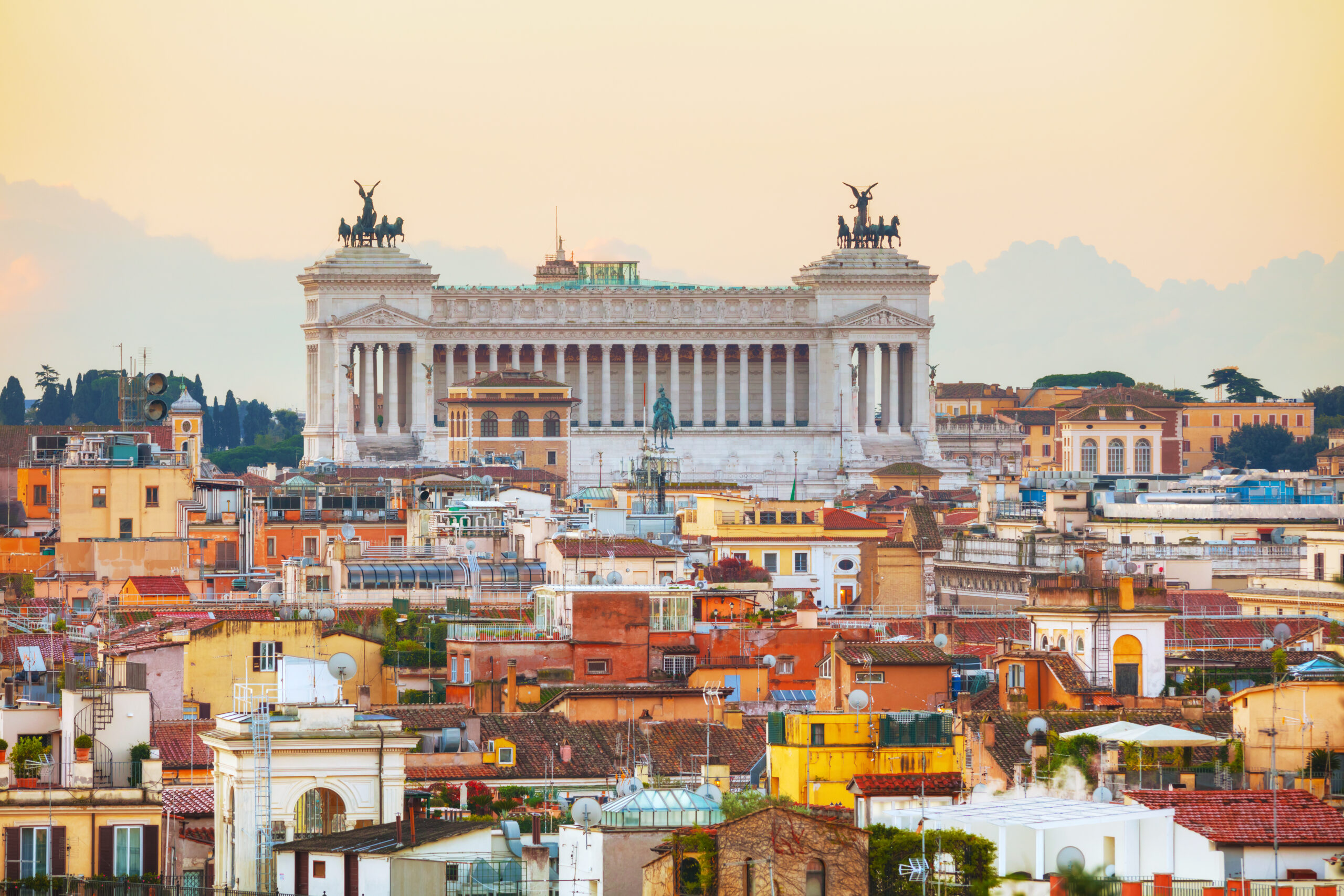
Perched atop one of Rome’s most prestigious hills, the Quirinal Hill offers a breathtaking panoramic view of the city and an unmatched perspective of the rich history that defines the Eternal City. As one of the Seven Hills of Rome, the Quirinale has long been a site of great significance, hosting not only the majestic Quirinal Palace, the official residence of the Italian President, but also the awe-inspiring Altare della Patria — a monument that symbolizes the unity and strength of Italy. Visitors standing on the Quirinale are treated to a unique combination of ancient ruins, stunning piazzas, and striking architecture, all set against the backdrop of a skyline filled with centuries of history. Whether you are a history buff, an art enthusiast, or simply someone looking for a stunning view of Rome, the Quirinale Hill is a destination that offers it all. In this article, we will delve into the historical significance, artistic treasures, and unparalleled views of the Quirinal Hill, inviting you to embark on a journey through time and beauty as we explore what makes this location truly spectacular.
The Historical Significance of the Quirinal Hill
The Quirinal Hill is one of the most historically rich and significant sites in Rome. This elevated area, rising about 50 meters above the city, has been a focal point for centuries, beginning with its role as a royal residence during the reign of the ancient Romans. It was named after Quirinus, an early Roman god associated with war and peace, and throughout history, it has witnessed numerous transformations, becoming a symbol of political power and government authority.
During the Renaissance, the Quirinal Hill became the site of several palaces and gardens, particularly under the reign of the Papal States. The most notable structure is the Quirinal Palace, originally built in the late 1500s for Pope Gregory XIII and later becoming the official residence of the King of Italy following the country’s unification in the 19th century. Today, the Quirinal Palace serves as the residence of the President of the Italian Republic, making it one of the most important political buildings in Italy. This transformation from a papal residence to the seat of Italy’s presidency encapsulates the profound historical changes Rome has experienced from the papal era to the unification of Italy.
In addition to its political significance, the Quirinal Hill is also a site of great cultural importance. It has long been home to artists, scholars, and architects who have contributed to its development, and it continues to be a place where the past and present converge. Its cobbled streets, ornate fountains, and stunning buildings showcase the blend of ancient and modern influences that have shaped Rome throughout the centuries.
The Altare della Patria: A Monument to Italy’s Unity
At the heart of the Quirinal Hill, and just a stone’s throw from the Quirinal Palace, stands the Altare della Patria (Altar of the Fatherland), one of the most striking and monumental landmarks in Rome. Also known as the Vittoriano, this impressive structure was built in honor of King Victor Emmanuel II, the first king of a unified Italy. Completed in 1911, the Altare della Patria symbolizes the birth of the modern Italian state and is a powerful reminder of Italy’s unification in the 19th century.
The Altare della Patria is an architectural masterpiece, combining elements of neoclassical design with grand statues and symbolic reliefs that celebrate Italy’s military history, cultural heritage, and national identity. Visitors are immediately struck by its immense marble façade, which leads up to the central monumental stairway, flanked by towering columns and statues. The statue of King Victor Emmanuel II, standing proudly at the top, gazes out over the city, embodying the spirit of a newly unified nation.
Beyond its role as a national symbol, the Altare della Patria also houses the Tomb of the Unknown Soldier, a solemn and reverent space dedicated to the fallen soldiers of Italy’s wars. The eternal flame, which burns in front of the tomb, serves as a poignant reminder of the sacrifices made for Italy’s freedom and unity. As a cultural and historical landmark, the Altare della Patria attracts visitors from around the world, offering them not only a glimpse into Italy’s complex past but also a stunning view of Rome’s skyline from its grand terrace.
From the top of the monument, visitors can enjoy a spectacular 360-degree view of Rome, with landmarks like the Roman Forum, the Colosseum, and St. Peter’s Basilica in the distance. The Altare della Patria, with its towering presence and panoramic views, is a must-see for anyone exploring the Quirinal Hill.
The Panoramic Views of Rome from the Quirinal Hill
One of the most appealing aspects of a visit to the Quirinal Hill is the panoramic view it offers over the entire city of Rome. Standing atop the hill, visitors are treated to a stunning vista that stretches from the historic heart of the city to its more distant landmarks. The view from the Altare della Patria’s terrace is especially magnificent, offering a perfect vantage point to admire the Colosseum, Roman Forum, and the Pantheon — all of which are within close proximity and visible from this iconic location.
Looking beyond the ancient ruins, the skyline of modern Rome unfolds with domes, bell towers, and modern buildings blending seamlessly with the ancient structures. To the west, the Vatican City and St. Peter’s Basilica rise majestically, while the hills of Aventine and Janiculum provide a green backdrop to the urban sprawl. On a clear day, the Alps can even be seen in the distance, further adding to the grandeur of the view.
The Quirinal Hill offers a unique opportunity to see how Rome’s ancient history coexists with its modern identity. Whether you’re a photographer eager to capture the beauty of the city from above or someone seeking to experience the city from a different perspective, the panoramic views of Rome from the Quirinal Hill are truly unforgettable.
The combination of political power, cultural heritage, and breathtaking scenery makes the Quirinal Hill a must-visit destination for anyone wanting to experience the essence of Rome.
The Quirinal Hill – A Window Into Rome’s Past and Present
The Quirinal Hill is a place where the past and present converge, offering visitors an extraordinary opportunity to explore both the political heart of Italy and the witnesses to its glorious history. Whether you’re captivated by the monumental Altare della Patria, the rich history of the Quirinal Palace, or the incredible views of Rome from above, this hill has something for everyone. From its role in the unification of Italy to its present-day significance as the residence of the Italian President, the Quirinal Hill continues to be a symbol of Rome’s enduring importance as both a historical and political center.
For those visiting Rome, taking in the panoramic views and soaking in the majestic monuments on the Quirinal Hill is an unforgettable experience that leaves a lasting impression.
FAQ:
1. What is the Quirinal Hill famous for?
The Quirinal Hill is famous for being home to the Quirinal Palace, the official residence of the President of Italy, and the Altare della Patria, a monument dedicated to Italy’s unification.
2. How can I visit the Quirinal Palace?
The Quirinal Palace is not always open to the public, but visitors can take guided tours on certain days. Check the official website for information on visiting.
3. What can I see from the Altare della Patria’s terrace?
From the Altare della Patria‘s terrace, visitors can enjoy breathtaking views of Rome’s ancient landmarks, including the Roman Forum, Colosseum, and Vatican City, as well as modern Roman architecture.
4. When was the Altare della Patria built?
The Altare della Patria was completed in 1911 in honor of King Victor Emmanuel II and Italy’s unification.
5. Is the Quirinal Hill accessible for tourists?
Yes, the Quirinal Hill is easily accessible to tourists. You can visit the area around the Altare della Patria, and there are public transportation options available to reach the hill.


