
Introduction
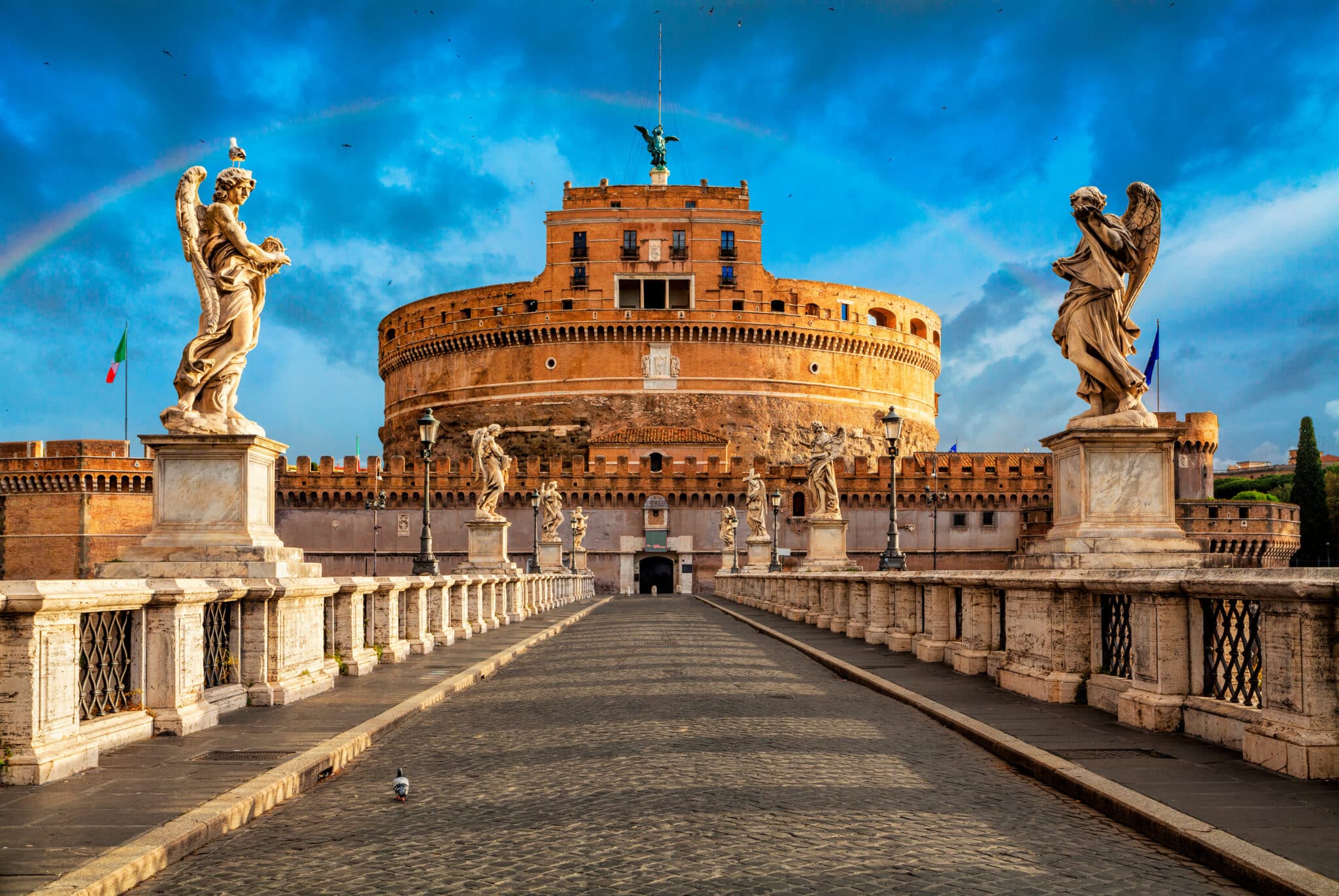
Hidden among the winding streets of Rome lies one of the city’s most fascinating secrets: the Passetto di Borgo. This elevated corridor, stretching nearly 800 meters, connects the Vatican City with Castel Sant’Angelo. Often overlooked by casual visitors, the Passetto has played a dramatic role in the history of the papacy, offering both protection and mystery.
A Medieval Lifeline
The Passetto di Borgo was originally constructed in the 9th century and later fortified by Pope Nicholas III in 1277. Its primary purpose was simple yet crucial: to provide a secure escape route for popes during times of danger. When enemies besieged the Vatican, the pontiff could flee across the fortified walkway to the safety of Castel Sant’Angelo, a stronghold built to withstand even the fiercest attacks.
Stories of Escape and Survival
Over the centuries, the Passetto witnessed several moments of high drama. Perhaps the most famous occurred in 1527, during the Sack of Rome, when Pope Clement VII fled through the passage as mercenaries stormed the city. Thanks to the Passetto, he survived, though much of Rome was left in ruins. These events cemented the corridor’s reputation as a symbol of papal resilience.
Architecture and Mystery
The Passetto is not just a passage—it is a fortified stone corridor, elevated above the Borgo district. Walking along it today feels like stepping back into the Middle Ages, when walls, towers, and hidden defenses shaped the life of the city. Though it is not always open to the public, when accessible, visitors can admire its unique vantage point, bridging the worlds of Vatican power and Roman history.
A Symbol of Power and Protection
Beyond its practical use, the Passetto embodied the Church’s need for security during turbulent centuries. It stands as a reminder that even the most powerful religious figures needed protection from political enemies, wars, and invasions. Today, it remains an enduring symbol of the delicate balance between spiritual authority and worldly survival.
Conclusion
The Passetto di Borgo may not be as famous as St. Peter’s Basilica or the Colosseum, but it holds an important place in the story of Rome. Both a monument to survival and a silent witness to centuries of conflict, the corridor continues to capture the imagination of historians, travelers, and those fascinated by the hidden layers of the Eternal City.
Frequently Asked Questions (FAQ)
1. What is the Passetto di Borgo?
It is a fortified elevated corridor that connects Vatican City with Castel Sant’Angelo, built to serve as a papal escape route.
2. How long is the passage?
The Passetto di Borgo is approximately 800 meters long.
3. When was it built?
Its origins date back to the 9th century, but it was reinforced and completed in the 13th century by Pope Nicholas III.
4. Can visitors walk through the Passetto?
Yes, but only on special occasions or guided tours, as it is not permanently open to the public.
5. Why is the Passetto historically important?
It served as a vital escape route for popes, most notably during the Sack of Rome in 1527, ensuring the survival of Pope Clement VII.


