
Introduction
Located in the charming town of Tivoli, near Rome, Villa d’Este is one of the most spectacular examples of Italian Renaissance architecture and garden design. Famous for its magnificent fountains, terraced gardens, and artistic heritage, this historic villa attracts thousands of visitors every year. Recognized as a UNESCO World Heritage Site, Villa d’Este represents a perfect blend of art, nature, and engineering innovation.
The History of Villa d’Este
Villa d’Este was commissioned in the 16th century by Ippolito II d’Este, a powerful cardinal who dreamed of creating a residence that reflected the grandeur of the Renaissance era. Construction began in 1550, transforming a former monastery into a luxurious palace surrounded by breathtaking gardens. Over time, the villa became a symbol of power, prestige, and artistic vision.
The Famous Fountains
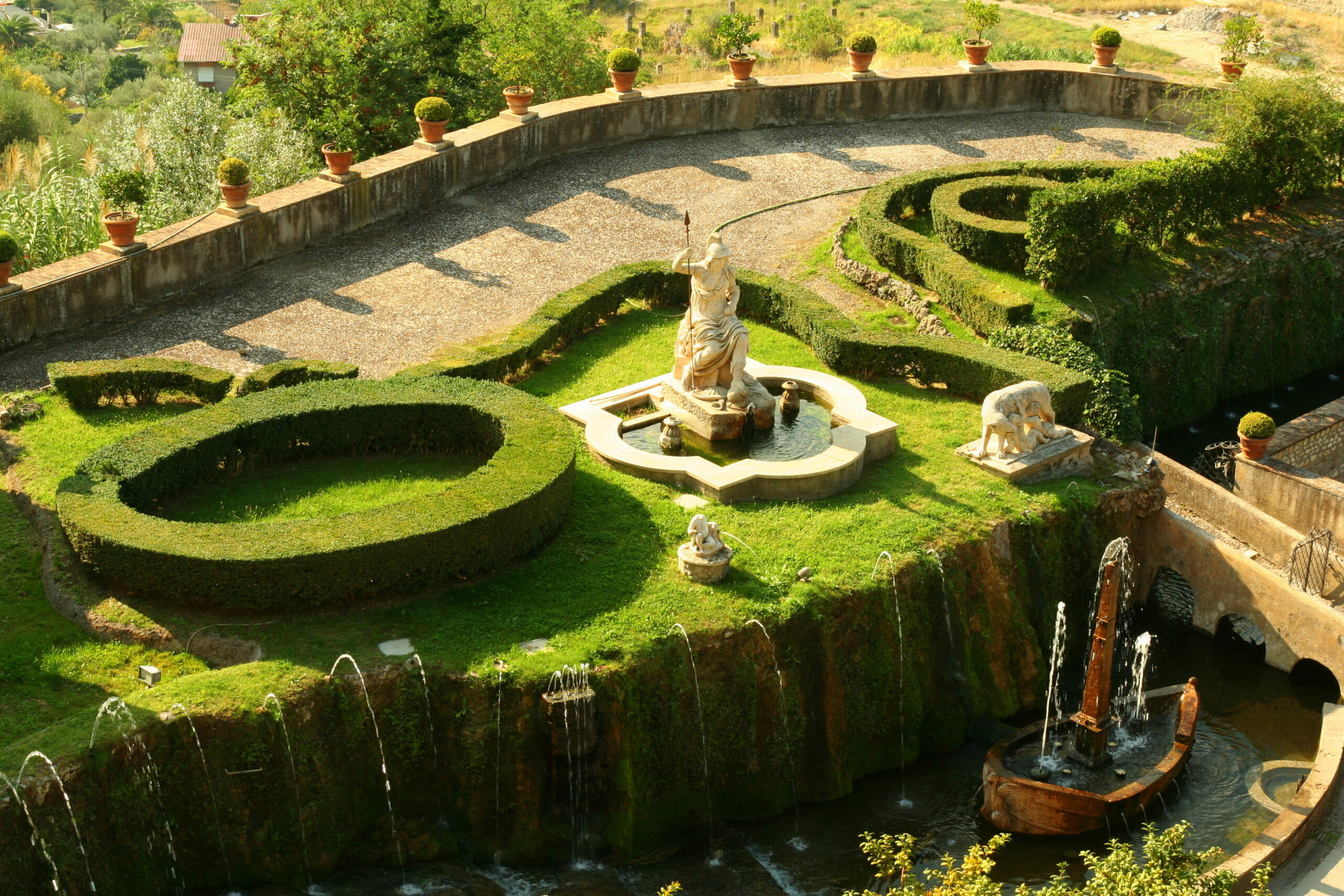
One of the most extraordinary features of Villa d’Este is its over 500 fountains, all powered by a sophisticated hydraulic system that uses natural water flow from nearby springs. The most famous fountains include the Fountain of Neptune, the Hundred Fountains, and the Oval Fountain. These water features create a magical atmosphere and demonstrate the incredible engineering achievements of the Renaissance.
The Renaissance Gardens
The gardens of Villa d’Este are considered one of the finest examples of Italian Renaissance landscape design. The terraces are decorated with statues, grottos, and ornamental plants, arranged in perfect harmony with the flowing water. Walking through the gardens offers visitors stunning views and a unique experience where nature and architecture merge beautifully.
Art and Interior Decoration
Inside the villa, visitors can admire rooms decorated with frescoes, painted ceilings, and elaborate ornaments created by renowned Renaissance artists. These artworks depict mythological scenes, historical stories, and allegorical figures, reflecting the cultural richness of the period. The interiors reveal the refined taste and ambition of Cardinal Ippolito II.
A Must-Visit Destination in Italy
Today, Villa d’Este is one of the most popular attractions near Rome. Travelers, art lovers, and history enthusiasts visit the site to admire its unique gardens, artistic heritage, and spectacular fountains. Together with nearby landmarks like Hadrian’s Villa, it makes Tivoli a fascinating destination for exploring Italy’s historical treasures.
Conclusion
Villa d’Este stands as a timeless symbol of Renaissance creativity, architectural brilliance, and landscape design. Its enchanting fountains, artistic interiors, and breathtaking gardens continue to captivate visitors from all over the world. A visit to this extraordinary villa is not only a journey into history but also an unforgettable experience of beauty, culture, and innovation.
FAQ – Villa d’Este
1. Where is Villa d’Este located?
Villa d’Este is located in Tivoli, about 30 km from Rome, Italy.
2. Why is Villa d’Este famous?
It is famous for its spectacular fountains, Renaissance gardens, and artistic architecture.
3. Is Villa d’Este a UNESCO World Heritage Site?
Yes, it has been a UNESCO World Heritage Site since 2001.
4. How many fountains are in Villa d’Este?
The villa features more than 500 fountains, making it one of the most impressive water gardens in the world.
5. When was Villa d’Este built?
Construction began in 1550 during the Italian Renaissance under Cardinal Ippolito II d’Este.


